The Cliffs of Moher

Hello, Everyone! This will be my last blog post about Ireland. Last week, we left off at the Aran Islands. Whitney and I were on a tour with Wild Atlantic Way. After exploring the Aran Islands, we got back on the ferry and it took us to the Cliffs of Moher.

cliffs of moher 2
The ferry behind ours, for scale

I stood at the back of our ferry for this photo, and shortly thereafter, a wave crashed over the side and soaked my jeans. 😦 !!!

april cliffs of moher
Little did I know what was about to happen …

I went into the ferry’s bathroom and peeled off my jeans. It was way too cold to wear wet pants. I had leggings on underneath and decided that wearing only one layer was better than wearing a wet layer.
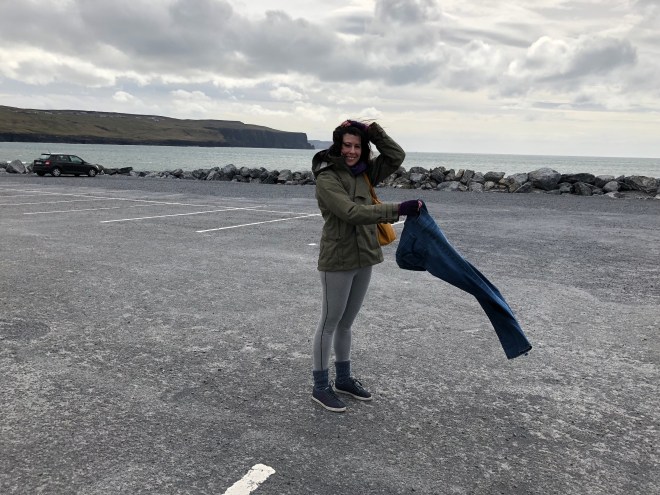
no pants
Attempting to dry my pants

The ferry returned to Doolin and we got back on the tour bus, which then drove us to the top of the cliffs. I had imagined visiting the Cliffs of Moher to be a tranquil experience, but it was a wind tunnel up there.
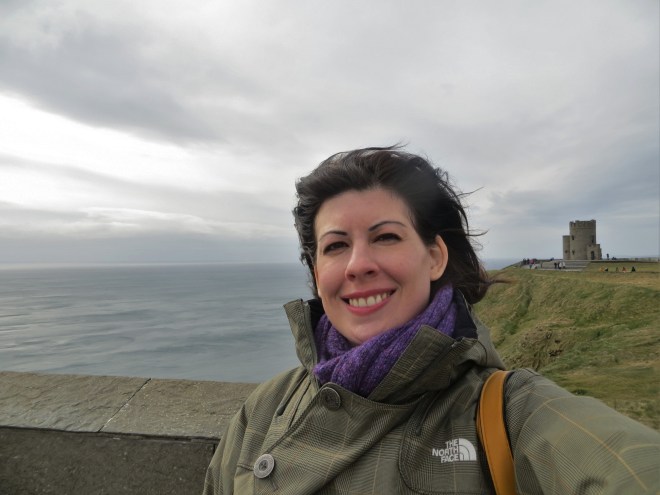
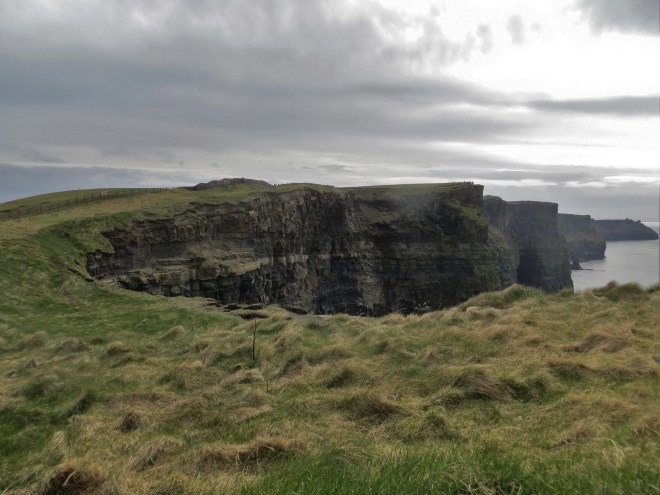
april cliffs of moher 2
So windy!
cliffs of moher 3
.

cliffs of moher 4

Then, we got back on the bus to go back to Galway. We stopped twice along the way for photos.

irish countryside
Irish countryside
thatched roofs ireland
Thatched roofs

Here is a fun fact: Thatched roofs are falling out of popularity in Ireland, despite being excellent insulators. Because they are a natural material, they need to be replaced every 5-7 years and the cost each time (I forget the figure our tour guide gave) exceeds what it would cost to roof your house with a regular roof that lasts for a lifetime.
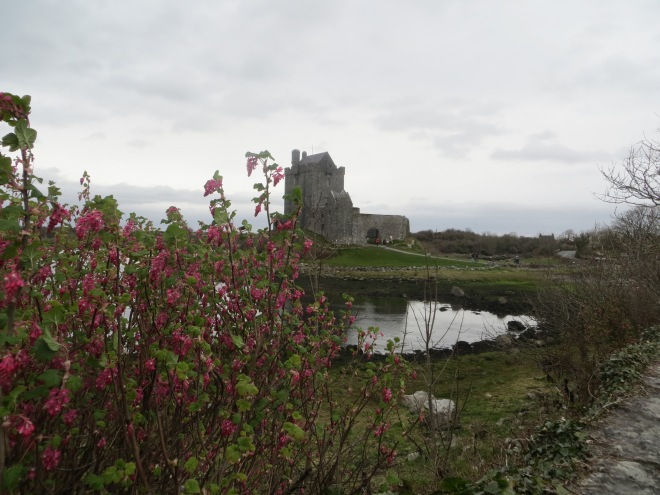
dunguaire castle ireland
Dunguaire Castle

After a day of being cold and pants-less, I treated myself to oysters for dinner. Of course, I stopped at our Airbnb to put on dry pants first. 😉

oysters
My first time eating oysters in two years! My life is hard.

***

Friday, Whitney and I walked around Galway and visited shops and looked for souvenirs. We wanted to do a wine and cheese tasting that afternoon. I stopped at a local wine shop to ask the guy working there where he would suggest going. At first, I got a snarky reply, “Uh, go to a bar and buy a cheese plate.” I persisted in my cheerfulness, though (“Oh? Is there anywhere you would recommend?”) and the guy told me to go to the downstairs bar at Kasbah (better wine there than at its sister restaurant upstairs) and order a cheese plate down from the restaurant. He launched into Kasbah’s wine-buying strategies and when I finally left the shop, Whitney wondered what had taken me so long. 🙂

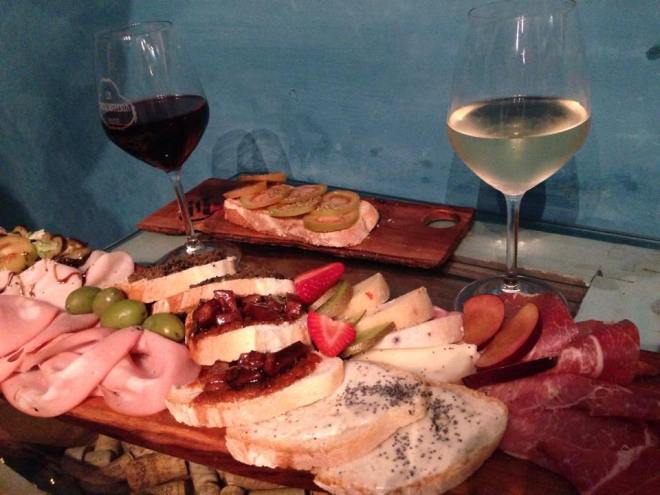
I am glad I stopped to ask for a recommendation, because Kasbah ended up being our favorite bar that we visited in all of Ireland (and we went to a few *ahem*). We stopped by the (quiet) restaurant upstairs first, and then we wound our way downstairs to the bar, which was packed and lively. The wine and cheese were great!

cheeseplate

Well, friends, this marks the end of my stories of Ireland. The next day, Whitney and I returned to Dublin to fly to our respective homes. I hope you enjoyed hearing about my spring break trip!

My tips for the day:

  • Don’t stand at the end of the ferry for photos.
  • Wear waterproof pants if you are on a ferry.
  • If you are ever in Galway, stop for a drink at the downstairs bar at Kasbeh.

https://vimeo.com/264564270

(I took this video on our last morning in Galway.)
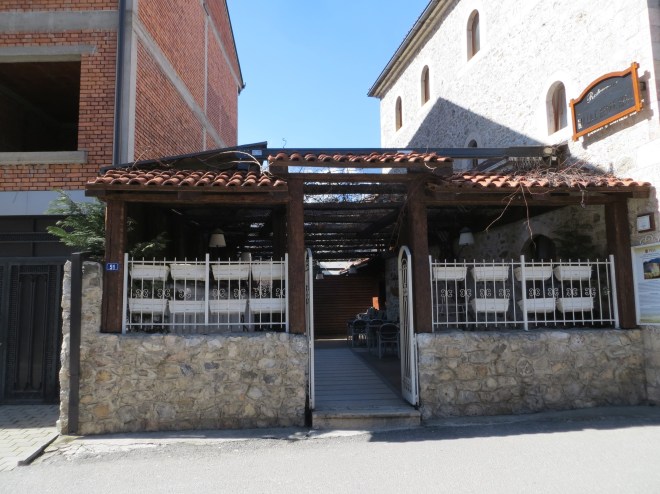
Kulla e Zenel Beaut, a Restaurant in Peja, Kosovo

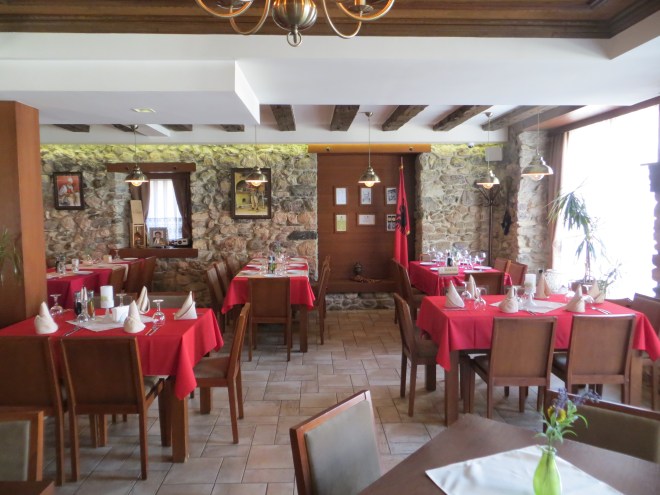
“The Kulla,” as my friends and I call it, is one of my favorite restaurants in Peja, Kosovo (which also happens to be my favorite city in Kosovo. Other people may tell you that Prizren is the best city. Don’t listen to them.)

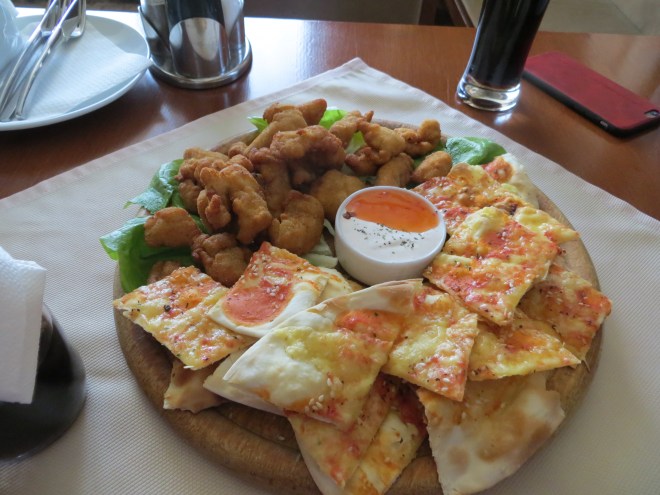
The Kulla has great traditional Kosovar food (as well as some American favorites, like chicken fingers). They also make a great house wine. 😉

kulla restaurant peja kosovo 2
Entrance
kulla restaurant peja kosovo
Nice atmosphere
chicken fingers kulla peja kosovo
Chicken fingers with awesome bread and dipping sauce
meat in a clay pot
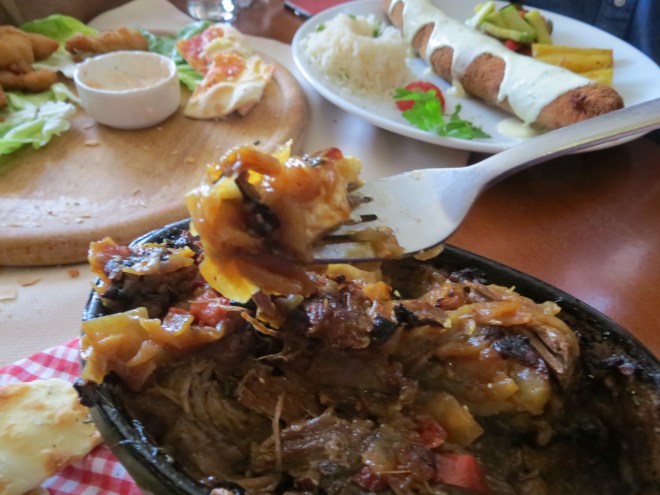
Meat cooked in a clay pot, mmmmmm!
traditional albanian food
This dish has onion in it but it’s so good, even I will eat it!
skenderbag meat food dish
A Skenderbag … a popular food here in Kosovo. Meat is wrapped in cheese and then breaded and fried. Mmmm!
albanian clothing
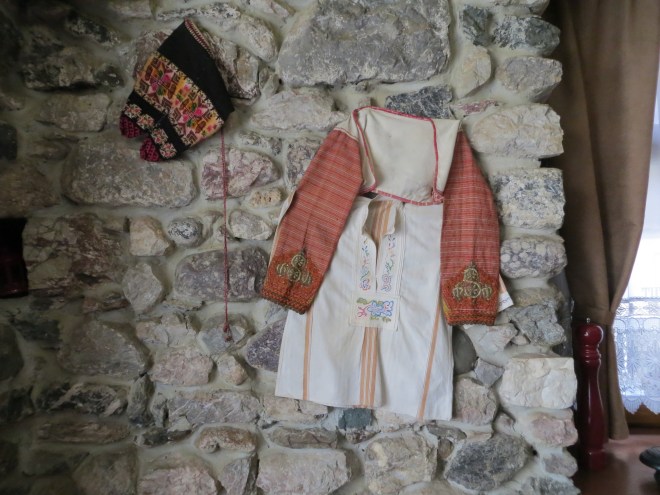
Traditional clothing
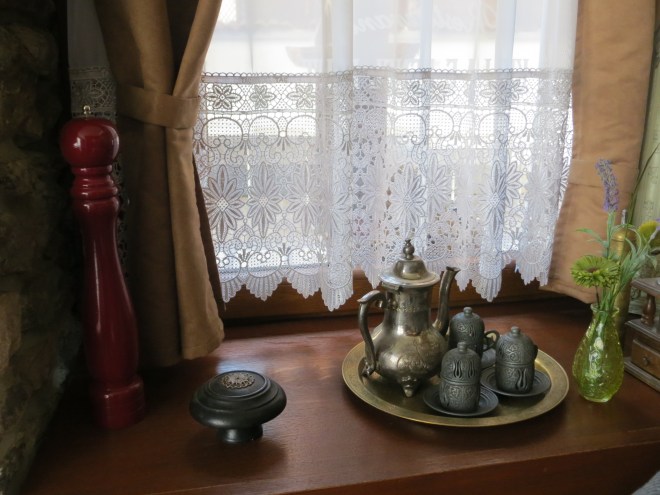
albanian tea service
Vignette

rakia peja kosovo.JPG

I highly recommend this place! Stop by the next time you’re in Peja. 🙂

Market in Tirana, Albania

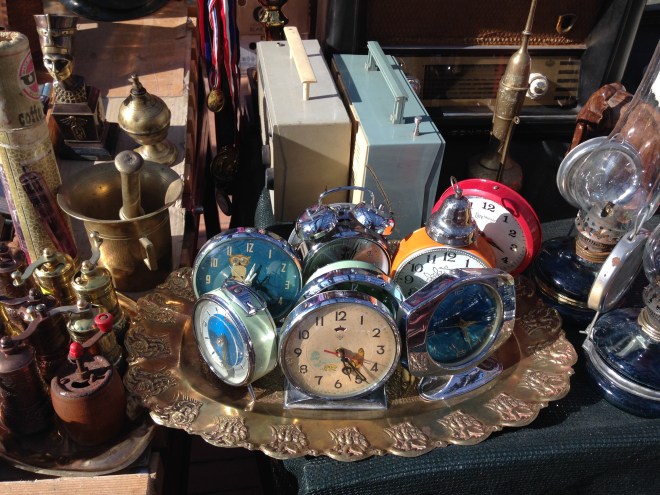
I took these photos a while ago but never got around to posting them. I visited a farmer’s market the last time I was in Albania. Fruits and vegetables abounded, but I was also surprised to see other goods for sale. I really wanted to buy an antique clock (isn’t the one with the owl cute?), but the 30 Euro price tag was too steep.

vintage clocks Tirana market
Antique clocks

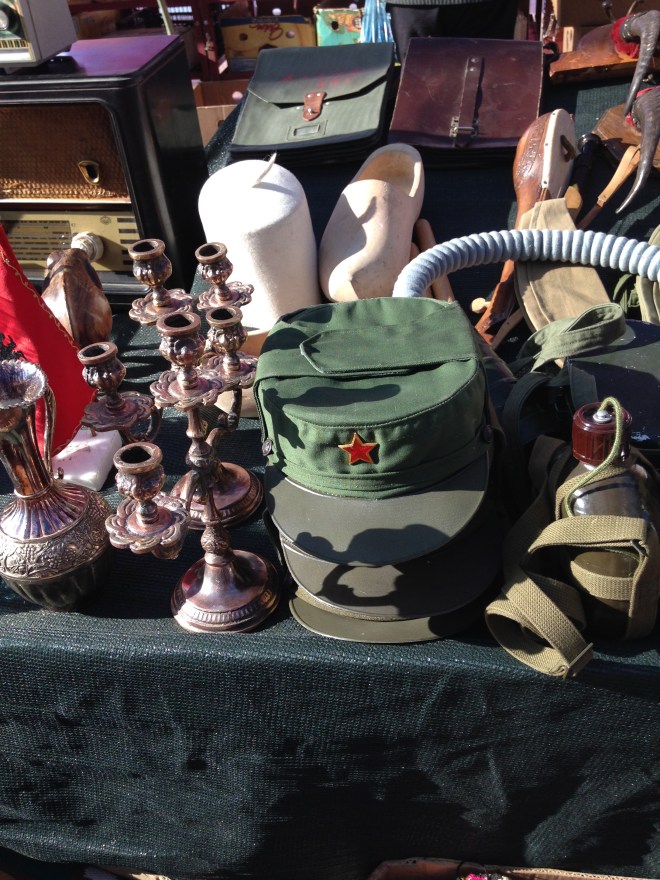
goods for sale tirana market

Though sheep’s head soup is a delicacy, I have never seen it or had it served to me (though my host family eats mutton). I was surprised to see sheep’s heads roasting on a spit (bottom row).

roasting sheep heads Tirana Albania

I’ve had chicken cooked in a clay pot (see below) in Kosovo, and it is really good!

earthenware Tirana Albania
Clay pots for sale
orange tree Tirana market
Orange (?) tree

I am not someone who visits farmer’s markets with any regularity, but Tirana’s is small, clean, not at all crowded, and had a variety of foods and goods for sale. I will definitely be back!

My 5-Day Food Diary

Last week, I decided to keep a 5-day food diary to give you an idea of what it is like to live and eat in Kosovo.

(Note: At times, I am posting old photos or photos from other sites. I didn’t want to weird out my host mother by taking pictures of the meals she cooked.)

Also, I didn’t include snacks. I eat chocolate. A lot of it.

Monday

Breakfast: banana + a cup of coffee

Lunch: 2 speca (peppers), two small tomatoes with salt, a big hunk of homemade cheese, several glasses of milk

Dinner: A bowl of pasule (traditional bean stew here in Kosovo) with white bread and one glass of milk

OLYMPUS DIGITAL CAMERA
Pasule (Photo Credit: Albania Adventure)

Tuesday

Breakfast: banana +  a cup of coffee

Lunch: Two pieces of reheated dough filled with egg (leftover from Sunday breakfast) and two glasses of milk

Dinner: Two fried eggs, a hunk of homemade cheese, and several glasses of milk

Kosovo food 2
Lunch: Reheated dough and egg

Wednesday

Breakfast: a cup of dry Cheerios + a cup of coffee

Lunch: one speca (pepper), one bowl of leftover pasule, 2 glasses of milk

Dinner: one bowl of leftover pasule, 1 glass of milk

Thursday

Breakfast: a cup of dry Cheerios +  a cup of coffee

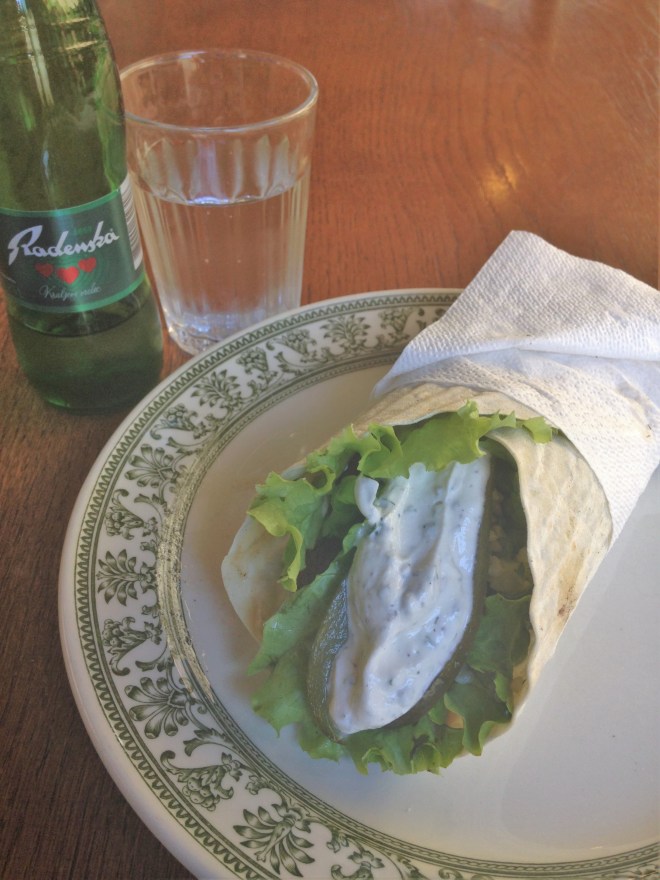
Lunch: I was in Pristina to work, which means I got to have a treat! I had a falafel sandwich from one of my favorite restaurants, Babaganoush. HEAVEN.

Dinner: Flia (traditional Kosovo food that’s just layers of dough cooked over an open flame)

Babaganoush Pristina Kosovo
Lunch at Babaganough. YUM!

https://www.instagram.com/p/BJ_L-0ggvjd/?taken-by=hellofromkosovo

Friday

Breakfast: a cup of dry Cheerios +  a cup of coffee

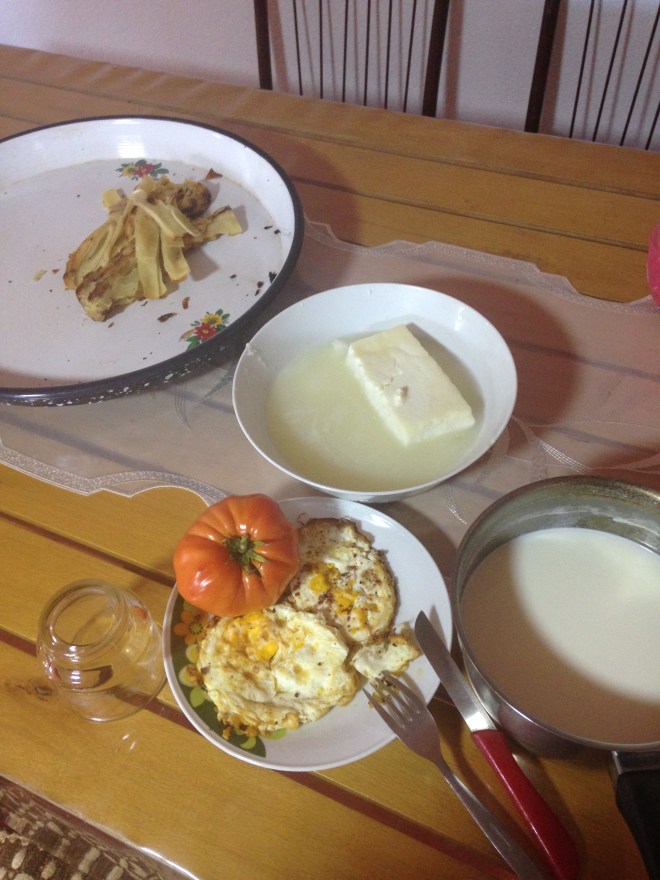
Lunch: 1-1/2 (cold) fried eggs (ugh, couldn’t finish them), ½ of a tomato with salt, a piece of cheese, a piece of leftover flia, and a glass of milk

Dinner: penne pasta mixed with cheese and a glass of milk

Kosovo food 1
Lunch: Flia (left), cheese, tomato and egg, and milk (right)

The Last Few Weeks Before Summer Vacation

I fully expected that the last few weeks of school would drag by. I thought I’d be eager for the school year to be over, so I could visit home and then enjoy my summer vacation. But surprisingly, the last few weeks went by quickly.

Above: One of my fourth graders wrote me a sweet letter, and drew some pictures for me.

It is a tradition in Kosovo for the 9th grade to have a prom. I’ll admit, I didn’t want to attend (I don’t even teach the 9th grade). In my experience, celebrations in Kosovo can go one of two ways: they’re either fun, or they drag on forever. I tried to get out of going to prom by saying I didn’t have any money (because everyone had to pay their own way). Well, then my host father insisted on paying for me. So I kind of had to go.

The prom turned out to be pretty fun. My experience was in no way the night-long marathon my friend Chester experienced and wrote about here.

FullSizeRender (19)
My counterpart, another teacher, and me
circle dancing
Circle dancing (of course!)

The only “bad” thing that happened is that I was unexpectedly pulled in front of a microphone and asked to give a speech. Not only do I hate being put on the spot (who doesn’t?), I also don’t possess the language skills to spout off an impromptu speech in Shqip (Albanian). I managed to say, “Urime!” (congratulations), and then I ran away.

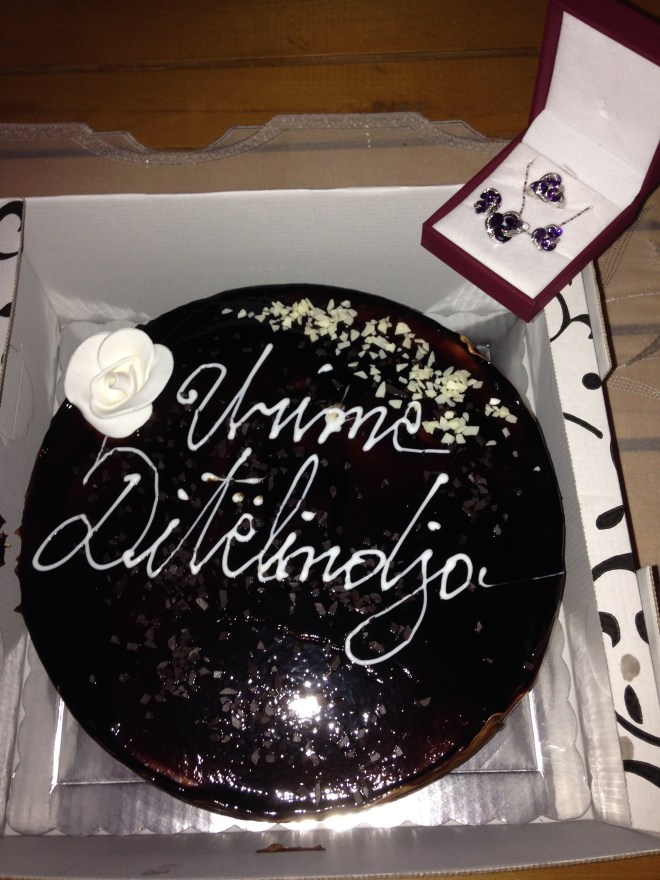
And last, my host family threw me a little birthday party before I left for the States. (I spent my actual birthday at home.) My host mother made all of my favorite foods: mish pule me patate (literally translated: meat chicken with potatoes), sallat shope (a salad with cucumber, tomatoes, and cheese), homemade cheese, and (not pictured), petulla (pronounced “pate-la”), which is fried bread with sugar on top. They also got me a chocolate cake.

Kosovo food
Kosovar food

chocolate cake

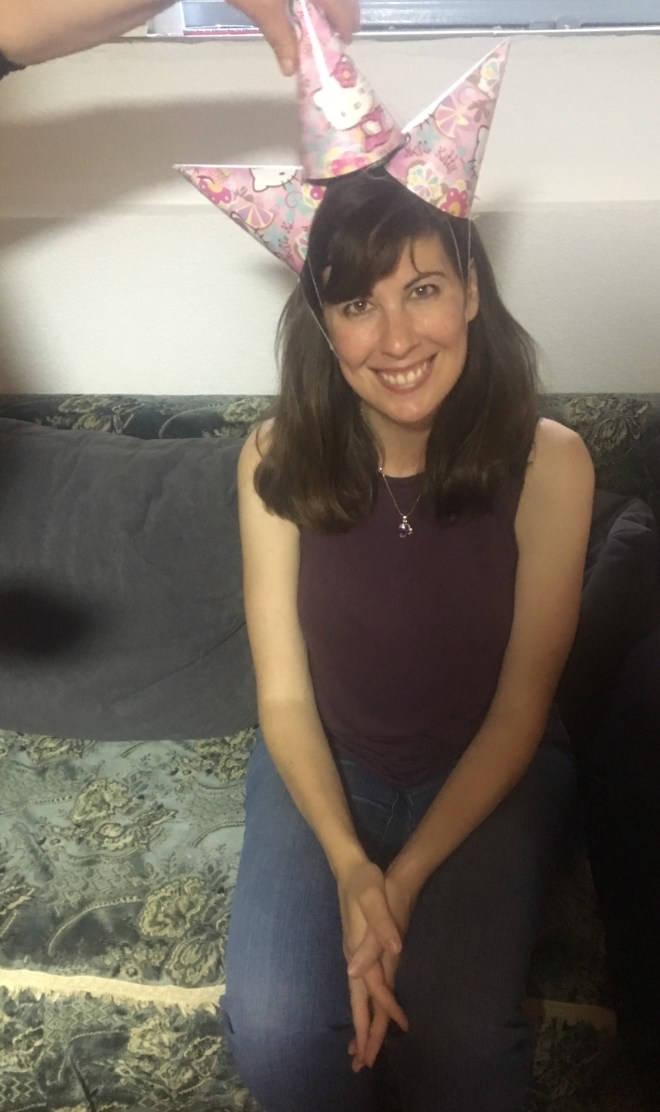
My host family invited my two site mates (Peace Corps speak for “other volunteers who live near you”) for dinner. Rachel brought Hello Kitty party hats.

happy birthday to me
Happy Birthday to me

Guest Blogger, Garrett Wheeler: Agriculture in Kosovo

April’s Note: My friend Nicole asked me to write a post about gardening/agriculture in Kosovo. Since I don’t know much about the subject, I decided to outsource her question. Below is the account of one of my fellow volunteers, Garrett Wheeler.

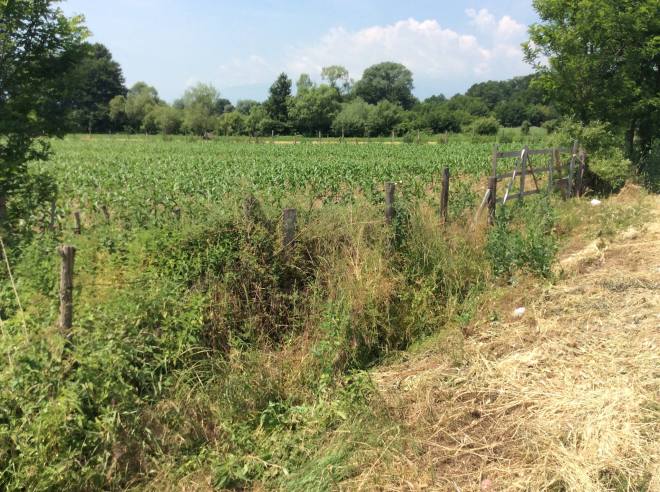
With the advent of spring arises a slew of tasks pertinent to raising crops. After months of neglect, farmers begin restoring fields marred by frigid weather. Makeshift fences, comprised of wood and barbed wire, oft become loose or fall apart on account of the wind. A pair of pliers, hammer, digging bar (an instrument somewhat akin to the crowbar), and U-nails are needed to mend damage accrued. While pliers pull and twist wire until taut, U-nails are driven into wooden stakes. The digging bar, aside from punching holes in the ground, may act as a sledgehammer fastening poles that have wriggled free.

agriculture kosovo 3
Photo courtesy of Garrett Wheeler

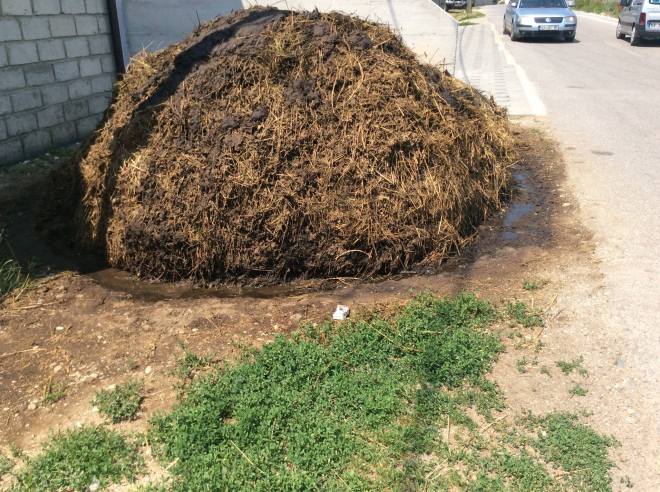
Upon completion of maintenance, a far more grueling chore awaits; fertilization. As a tractor, equipped with a trailer, positions itself near the accumulated pile of manure, workers, with the aid of pitchforks, start the loading process. Though precautions, like gloves and rain boots, are taken to promote cleanliness, the job is inherently dirty. It is not uncommon, for example, to have dung flung your direction; especially when fatigue sets in. With the trailer overflowing, tractor and crew make their way to the field. While the tractor cruises at a leisurely pace, compost is scattered left and right. A sore back and tired arms are typically awarded to all participants.

agriculture kosovo 4
Photo courtesy of Garrett Wheeler

In preparation for sowing, a plow is hauled the entirety of a field leaving neat rows of finely ground soil in its wake. Utensils for digging are then used to create holes. As one punctures the earth, another trailing behind deposits seed. Corn and beans are planted simultaneously. While maize grows upright, the latter coils around adjacent stalks. A nearby stream supplies water when barred.

Gleaning of produce occurs in September. Hefty bags are carted and stuffed with brown pods. Those still green are unripe and need not be plucked. Though the weather may be warm, long sleeve shirts are worn to prevent cuts (maize leaves possess jagged edges which tear skin if brushed). Work is long and tedious requiring numerous days to complete. Corn, conversely, is harvested quickly. Buckets filled to the brim are dumped in a close by trailer towed by a tractor.

agriculture kosovo 1
Photo courtesy of Garrett Wheeler

Beans reaped must then be strewn across a tarp and left to bathe in the sun. After several days, or when the shells become hard and brittle, the heap is battered with the shaft of a rake. Empty husks are then brushed away revealing seed below. Once the product has been gathered in containers, it is transferred to empty sacks. Prior to dumping, however, it is necessary to remove remaining debris. As one individual focuses on slowly pouring beans, the other uses a leaf blower to flush out unwanted material.

Within the next couple of weeks, sorting ensues. Spilling small sums onto a flat surface, beans malformed or gnawed by insects are discarded. What remains is either stored for consumption of whisked away to the nearest city and sold. Corn, depending on its strain, has two locales. A small granary houses a variation more red in hue used as fodder for chickens. Yellow corn is sent to the second floor of a neighboring building. A machine adeptly removes kernels dispelling bare cobs.

agriculture kosovo 2
Photo courtesy of Garrett Wheeler

Read posts by other guest bloggers:

Pristina Bazaar

A volunteer friend suggested visiting the bazaar in Pristina, so a small group of us went last week. I had no idea there was a bazaar in Pristina!

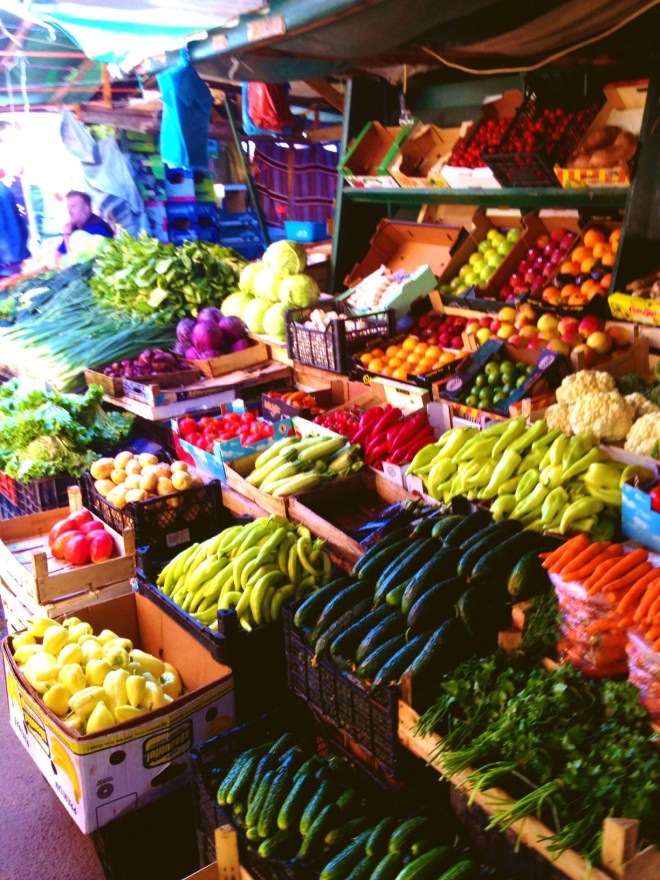
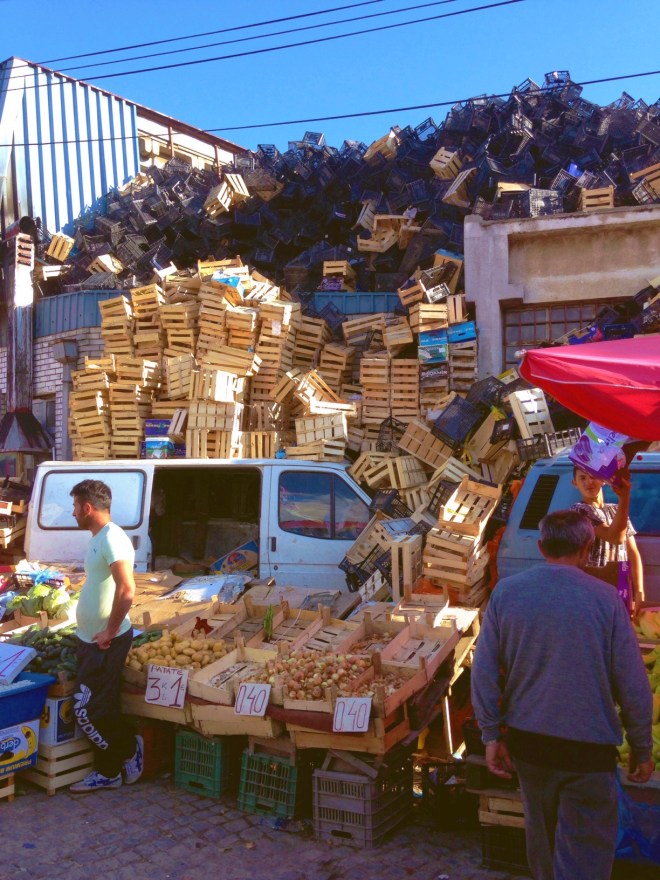
There was SO MUCH produce for sale, for prices even cheaper than what I can find in my village. (Fifty cents for a carton of strawberries, versus 1.50 Euro in my village.) You can also finds lots of other goods at the bazaar, everything from clothing and yarn, to household items, to cigarettes.

SO much produce! This was just one stall.
So delicious …
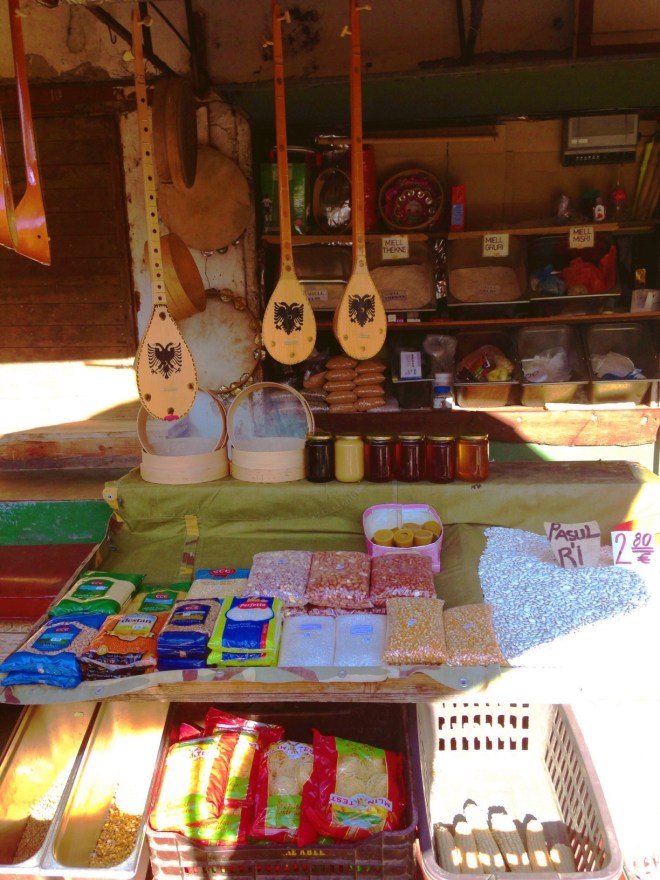
Dry goods, honey, and çifteli (2-stringed instrument)
Wall upon wall of cigarettes
We kept waiting for a box avalanche. It didn’t happen.

As far as I know, the bazaar is open every week day. You can find it here:


pristina kosovo bazaar map.PNG

The Food in Rome

I am usually against taking pictures of food. But, my friend Nicole and I had some truly awesome meals while we were in Rome. I wanted to share a few of our best experiences.

1. One night, Nicole wanted to check out Rome’s Trastevere neighborhood. I did a Google search for the best restaurants in Trastevere, and came across La Prosciutteria. I was all, “Look at the pictuuuuures! Please can we go thereeeeee?” And Nicole said yes. 🙂 So, we went.

food in rome
La Prosciutteria

It was a fun experience. The restaurant is small and busy. We managed to find a table in the basement. The food came quickly, because there isn’t anything to cook. Also, it was a reasonably priced meal. We each had a glass of wine, and we still paid less than 20 Euro per person.

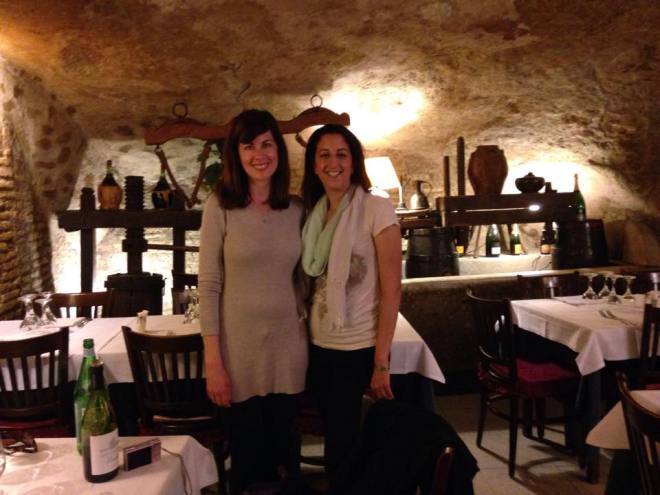
2. Nicole and I got a million suggestions on places to eat/things to do in Rome. A friend of mine had suggested visiting Costanza, which is a restaurant in an old cave where the gladiators used to practice. We went for lunch, and I am so glad we did. The food was outstanding. And the ambiance was great — a quiet place, prompt and friendly service, and did I mention its a cave?

cave restaurant rome
Costanza Restaurant
cave restaurant rome 3
Costanza Restaurant
cave restaurant rome 2
Costanza Restaurant
April Nicole
April and Nicole at Costanza Restaurant, Rome
food cave restaurant
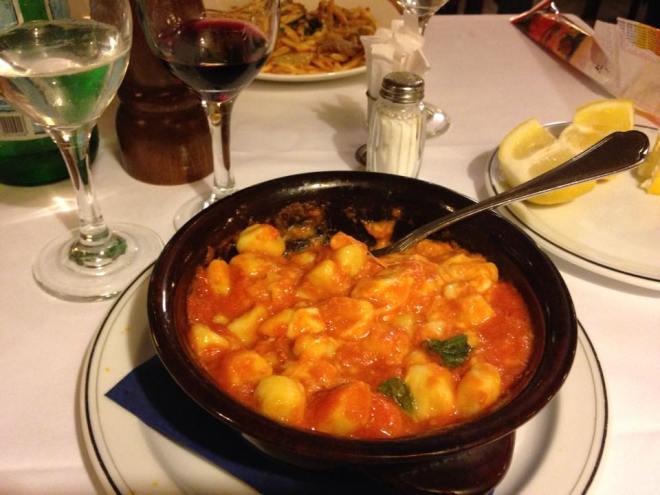
Gnocchi

3. On our last night in Rome, we were tired from so much walking. We decided to check out a restaurant in the neighborhood (Pigneto) where we were staying. Nicole found Qui Se Magna.

My family will tell you I am capable of eating my own weight in spaghetti. While Qui Se Magna was a small, neighborhood restaurant, the food was outstanding. I loved my spaghetti!

spaghetti in rome
Spaghetti dish at Qui Se Magna, Rome

If you are planning a trip to Rome, I would highly recommend these three restaurants.

Newbie Week: What We Know Now That We Didn’t Know Then

I’m devoting this week’s posts to useful information for the next group of Kosovo volunteers, who are starting to get their acceptance letters for the Peace Corps. –April

I polled my fellow volunteers to ask: “What do you wish you’d known about Kosovo before you moved here?” I recorded their responses below. For privacy reasons, I decided not to include names, though I promise, this is actual advice from other actual volunteers. (And not just stuff I made up.) Based on the responses I received, I broke them into different categories.

Language

“I wish I’d appreciated the importance of learning Kosovo dialect sooner because Kosovar Albanian is significantly different from standard Albanian.”

Pre-Service Training

“The lack of independence for 3 months is real.”

“Be prepared for a lot of walking and lots of sweating.”

“Keep in mind PST (pre-service training) is nothing like your service, and remember to slow down.”

“In PST (pre-service training), though it’s important to be inquisitive and to ask questions, don’t burden yourself with more information than necessary. In other words, I don’t think it does you any good to get too far ahead of yourself. It’ll make your PST (slightly) less hectic.”

“Non-specific and overly general questions to staff, PCVs, and/or your LCFs will yield non-specific and overly general answers. If you paint with a broad brush, you will absolutely receive the responses: ‘It depends,’ ‘It’s different at every site,’ and/or ‘This is a single story.'”

Food

“Don’t tell your family you like something because you will get it all of the time. Be upfront about your likes and dislikes or be prepared to just put up with it for 3 months.”

“My advice is to be prepared for more bread than you imagine. Even though we were warned … ”

Host Families

“Alone time can be really hard to manage sometimes without offending your host family; figure it out early and avoid unrealistic expectations.”

“I hesitate to ask about it but, in my experience, I’ve seen that Kosovars don’t have too many qualms about bringing up their Kosovo War stories, sometimes unprompted. It’s important to only listen with an open mind and an open heart.”

“The families here are absolutely wonderful and so loving. Prepare to be taken into your family completely.”

“The respect you receive simply for being an American can sometimes be overwhelming and humbling. We are very lucky here. Appreciate it and try to live up to those expectations.”

Packing

“Pack clothes that are versatile, and to lean more conservatively because of the likelihood of being placed in village.”

“Bring warm pajamas for the winter.”

If you’re in CD, bring more professional clothes than you’d possibly ever believe you’d actually wear during your service in the Peace Corps. You’ll regret it otherwise.”

Most of my suitcase space was used for normal clothes and outdoor gear. Considering that Kosovo has all seasons and beautiful, mountainous scenery, I’m happy with this decision.”

“Bring long running shorts, index cards, and Ziplock bags.”

Life in Kosovo

“My feminist beliefs being challenged daily is exhausting and although expected, wasn’t prepared for this degree of difference in thought.”

“Bring a hobby that doesn’t require battery or power cause the power goes out all the time.”

“You will have Internet or probably be able to buy a package for a decent price.”

“You WILL be placed with a host family as a trainee and volunteer. As a trainee for the first three months you’re given the housing payment, €2/day walk around allowance, plus transportation if you’re in a village outside the training site. As a volunteer you will be making around €200/month after housing payment.”

“Smoking is widespread in Kosovo, even in restaurants and some other public places.”

“Dating, while more common in the city, is not the norm in most areas. My Pre-Service Training (PST) host parents were married after two months of knowing each other, and PST host sibling after six months.”

“If you own an unlocked smart phone, bring it. You can simply pop in a local SIM card to use it here. Peace Corps will help you set it up and pay for your first package. After that, I’ve been paying €2.50 every two weeks for two GB.”

“Most major libraries (like NYPL) have an option to digitally check out books, but you need to get a card beforehand (which is free). Something I should have thought of previously, since I keep running out of books … ”

“Once you get here, buy a pack of wet wipes or toilet paper and always carry some with you. It will be a hot, sweaty summer and you’re very likely to encounter restrooms with no paper.”

“I would say, “‘Don’t do any research at all.'”

April: My own piece of advice similar to the above: Try not to anticipate too much what this experience will be. For me, I read one book about Kosovo and started practicing my Albanian language with Pimsleur’s Speak and Read Essential Albanian CDs. I thought I would do a lot more prep, but I didn’t. I didn’t even reach out to my fellow volunteers on Facebook much. I wanted to wait and meet them in person before trying to create any sort of opinion about who they were.

Shumë Speca!

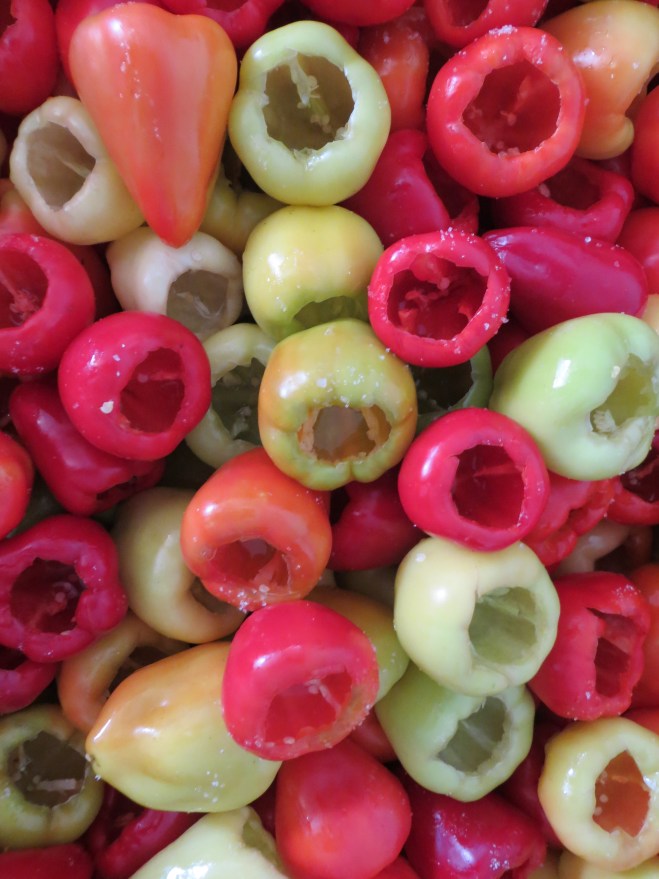
You know that old saying, “You are what you eat.” If that is true, I am a pepper.

The Albanian word for peppers is “speca” (I pronounce it  SPAYT-SA, and to me, it sounds like others pronounce it this way, to. [Even though there is no “t.”]). I hear “speca” so often that in complete honesty, I sometimes have trouble remembering the English word for it.

I like speca, but over this past summer I have eaten enough to grow tired of it. But, I thought, Ah-ha! Autumn is coming. And that means no more speca.

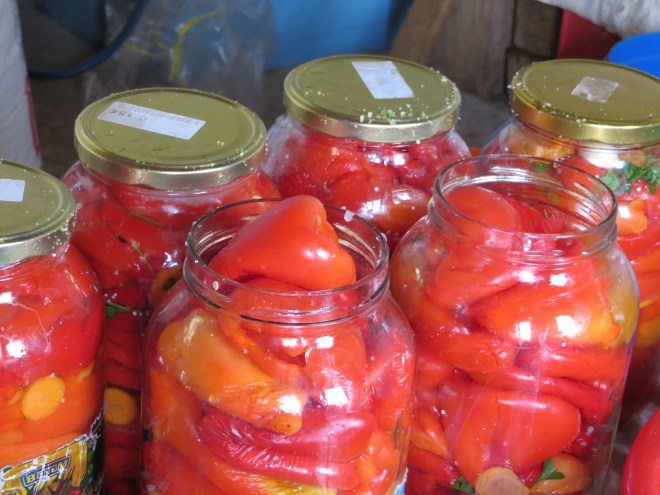
I thought wrong. I forgot about canning. It seems I will be enjoying speca for months (and years) to come!

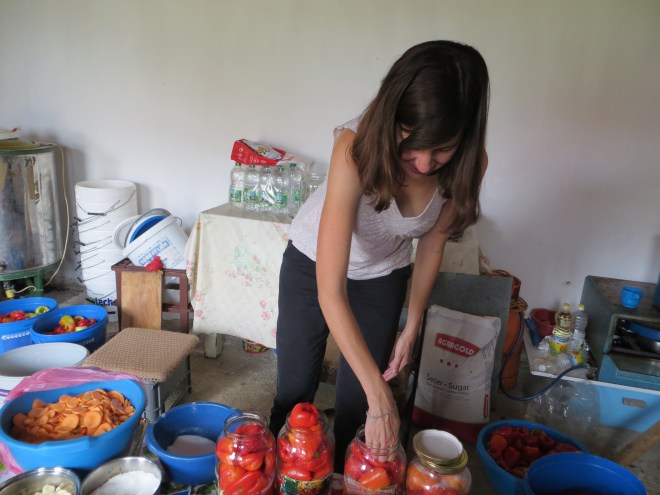
My host mother asked me if I’d like to accompany her to her sister’s house to see the canning process. We arrived at 11:30 a.m. and did not leave until 8:30 p.m. (I had been warned this would be an all-day affair.)

IMG_1494
Speca for days …
IMG_1495
There’s more where that came from …
IMG_1498
Speca! I mean, peppers


IMG_1517
Literally, my only contribution to the process
IMG_1520
In the future, there will never be a time when I am not eating speca.