I’ve mentioned before that I live in a minority, Catholic community in Kosovo (the majority of Kosovars are Muslim). I was interested to learn two things regarding Easter in Kosovo:
They dye eggs here. (I was gifted pretty eggs by students and teachers alike.)
They do not have the Easter Bunny. Most of my students had never heard of him (her?). When they asked me if he is real, I said he is as real as Santa Claus. 🙂
Another fun fact: Dyed eggs may or may not be hard boiled. I found this out the hard way as I was hiding eggs for my 3rd graders. I dropped one and it splattered on the floor. Oops.
After planning to spend the first half of spring break in Rome, I debated what to do for the second half of the week. Before joining the Peace Corps, I hadn’t traveled around Europe much. Looking at the prices of flights from Rome left me feeling dizzy and giddy. I could go anywhere, for less than 100 Euro!
I thought about doing some city-hopping, but that just seemed overwhelming, given the little time I had. I finally settled on Berlin, because:
I had always wanted to go there.
I knew some other volunteer friends would be there, so I wouldn’t be totally alone.
There was a cheap flight directly back to Pristina (rather than having to fly to Skopje or Tirana).
Again, I like to travel with only a loose itinerary. Here’s what I ended up doing in Berlin:
Wednesday: Arrive in Berlin at night
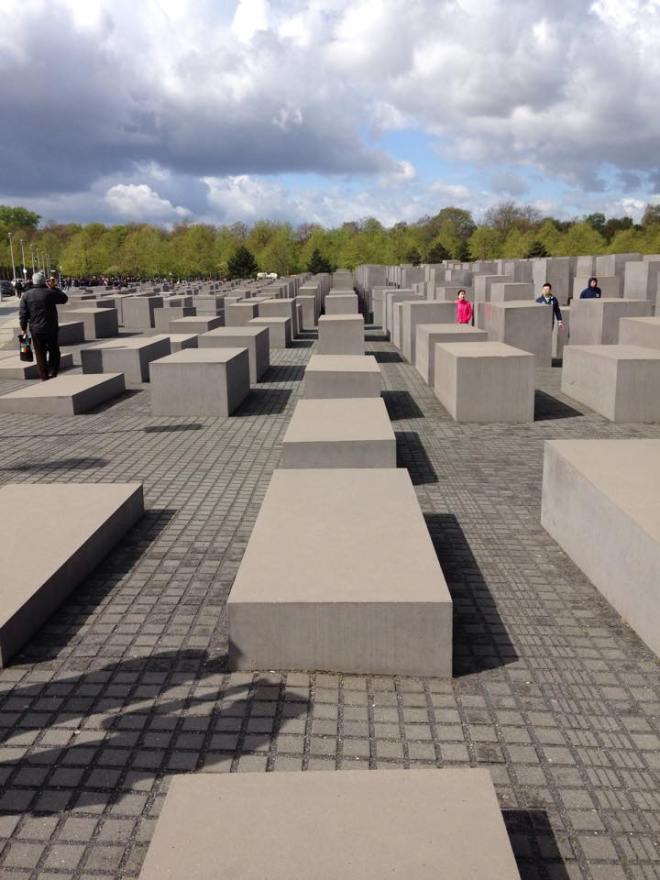
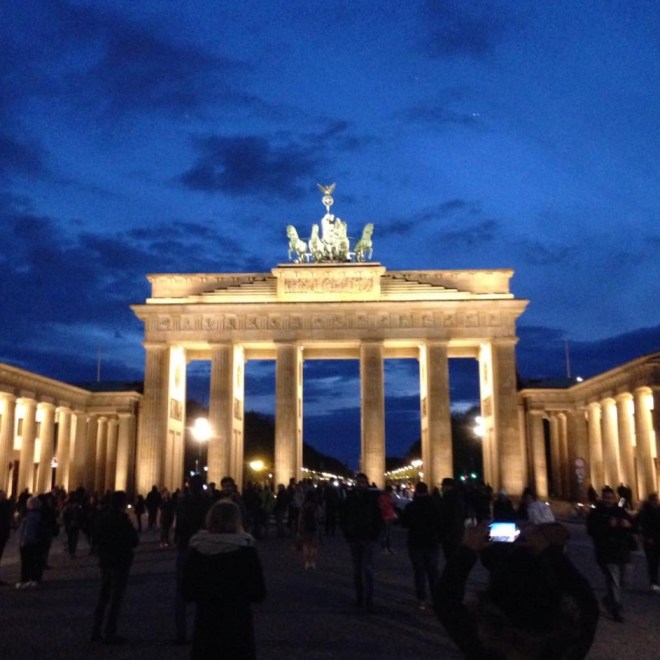
Thursday: Free walking tour through SANDEMAN’S. Best thing I did in Berlin! We hit some big tourist spots: Brandenburg Gate, Memorial to the Murdered Jews of Europe, and Checkpoint Charlie. Dinner with friends at a German restaurant (cannot recall name)
Friday: (only day with okay weather) Walk through Tiergarten Park (behind the Brandenburg Gate), and visit the Berlin Wall. Dinner with friends at an Indian restaurant.
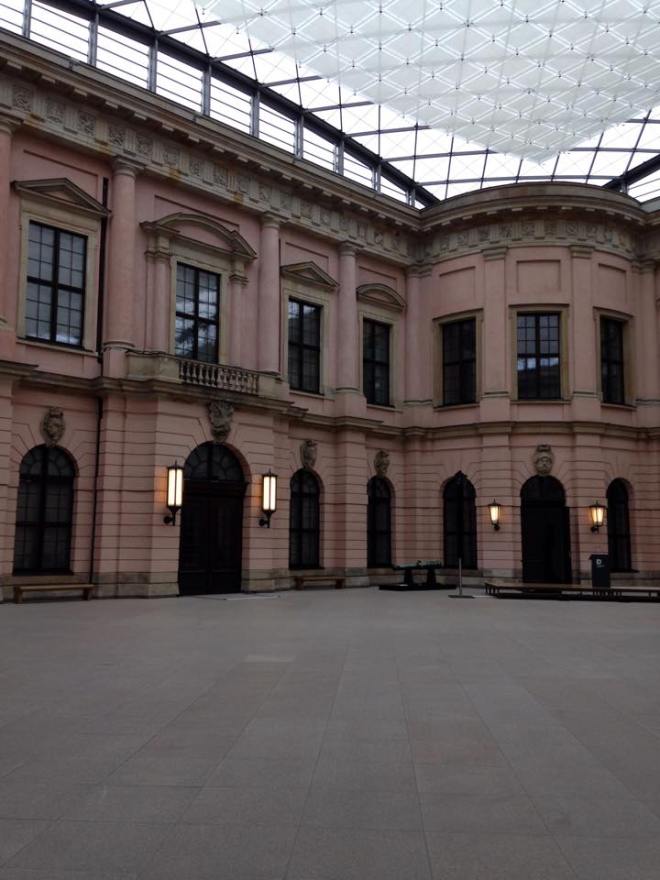
Saturday: Visit Deutsches Historisches Museum. Dinner with friends at Leander.
Sunday: 6 a.m. flight back to Pristina!
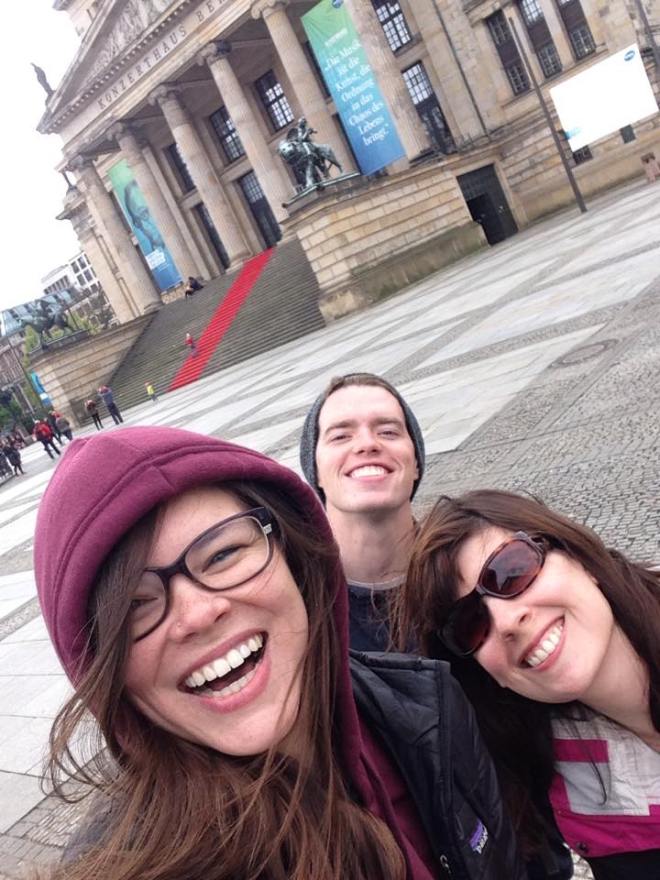
Memorial to the Murdered Jews of EuropeApril and Rachel: At the end of our walking tour!Rachel, Tim, and April: Smiling despite the cold!
Entrance to the Deutsches Historisches MuseumInside the Deutsches Historisches MuseumLearning about the American influence on German culture
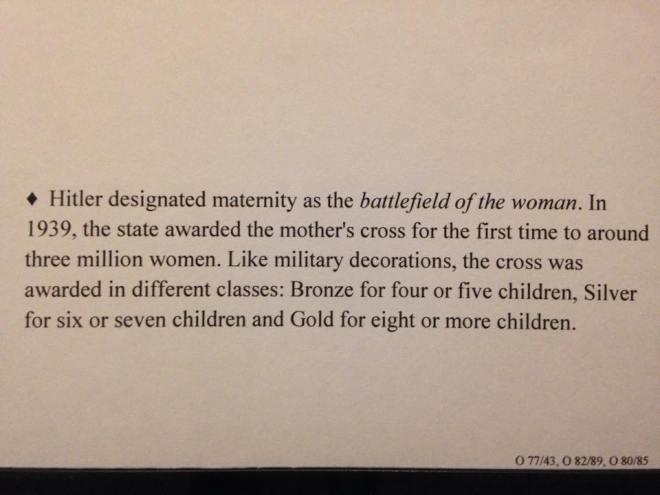
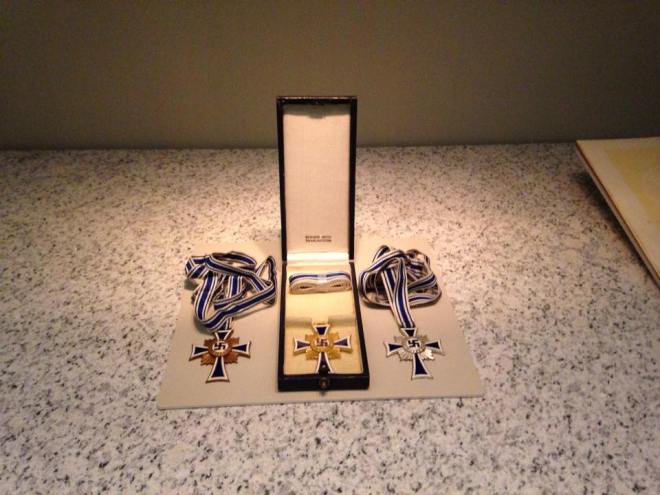
One interesting new thing I learned:
Hitler’s medals for womenHitler’s medals for women
Sierra and Chelsea arrived on Saturday. It was nice to catch up with them and hear about their travel adventures.
Last night in Germany! April, Sierra, and Chelsea
Tips and Observations about Berlin:
I’m going to be honest — Berlin is one of my least favorite places I have visited. To be fair, I had just come from a beautiful, Roman spring to cold, rainy Germany. Every day, I would put on as many layers as possible and go out into the wind. I tried to like the city, but I just couldn’t. I had pictured Berlin as this young, hip, vibrant, grungy city. But it is quiet and empty. I learned from our tour guide that Berlin is the only city in Western Europe that has declined in population, from 4 million residents to 3.5 million. Walking its wide streets and long blocks, I got an eerie feeling. Where were all the people?
I know Berlin has a reputation as a big party city. It’s the city of Cabaret! It’s the city of Hedwig and the Angry Inch! I cannot remember the last time I went to a club, so maybe if I had participated in the nightlife scene, I’d have a different opinion of Berlin.
Berlin is a very clean city. (As a friend pointed out, there are no people to mess it up.)
The subway system was extremely easy to navigate. I was able to get around with no problems.
My favorite part of my trip was the free walking tour. I’d definitely recommend it if you plan to visit.
Oh, well. I’m glad I was able to see Berlin, and check it off my list. I am also glad I visited while I am living in Europe. Had I paid a lot of money to fly over from the U.S., I probably would have been more disappointed.
(Thanks to Rachel for allowing me to post some of her photos here.)
I am usually against taking pictures of food. But, my friend Nicole and I had some truly awesome meals while we were in Rome. I wanted to share a few of our best experiences.
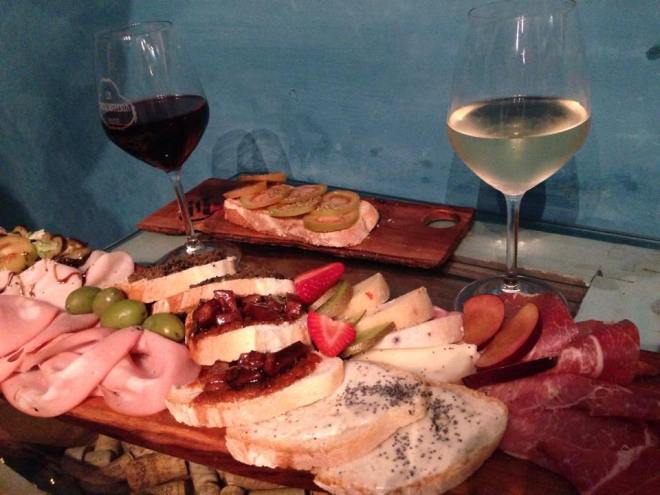
1. One night, Nicole wanted to check out Rome’s Trastevere neighborhood. I did a Google search for the best restaurants in Trastevere, and came across La Prosciutteria. I was all, “Look at the pictuuuuures! Please can we go thereeeeee?” And Nicole said yes. 🙂 So, we went.
La Prosciutteria
It was a fun experience. The restaurant is small and busy. We managed to find a table in the basement. The food came quickly, because there isn’t anything to cook. Also, it was a reasonably priced meal. We each had a glass of wine, and we still paid less than 20 Euro per person.
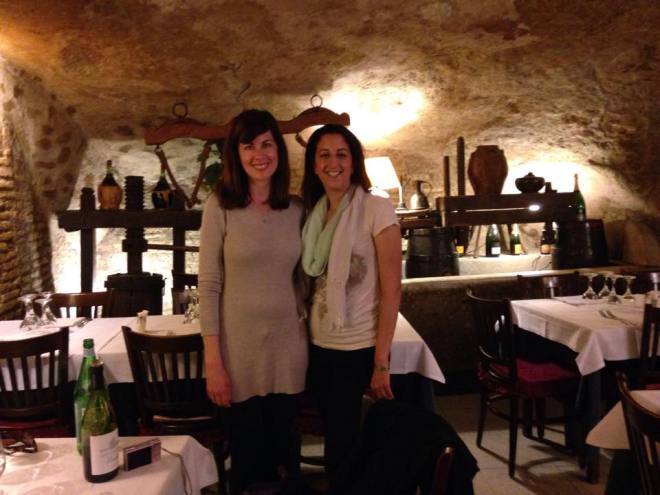
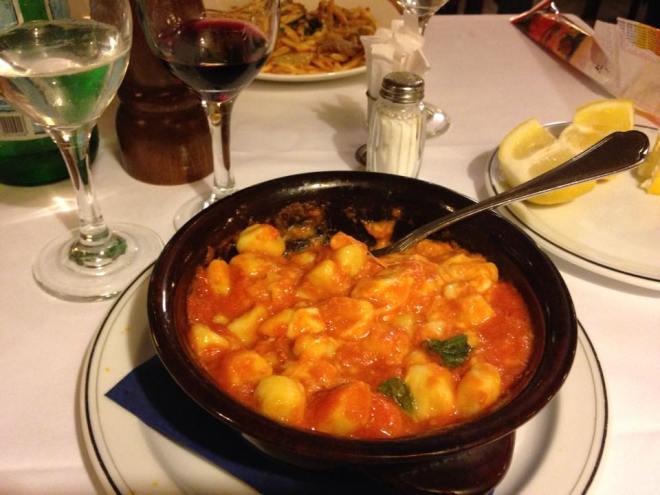
2. Nicole and I got a million suggestions on places to eat/things to do in Rome. A friend of mine had suggested visiting Costanza, which is a restaurant in an old cave where the gladiators used to practice. We went for lunch, and I am so glad we did. The food was outstanding. And the ambiance was great — a quiet place, prompt and friendly service, and did I mention its a cave?
Costanza RestaurantCostanza RestaurantCostanza RestaurantApril and Nicole at Costanza Restaurant, RomeGnocchi
3. On our last night in Rome, we were tired from so much walking. We decided to check out a restaurant in the neighborhood (Pigneto) where we were staying. Nicole found Qui Se Magna.
My family will tell you I am capable of eating my own weight in spaghetti. While Qui Se Magna was a small, neighborhood restaurant, the food was outstanding. I loved my spaghetti!
Spaghetti dish at Qui Se Magna, Rome
If you are planning a trip to Rome, I would highly recommend these three restaurants.
Hi, Everyone! I am back in Kosovo and so happy to be blogging again! I missed writing while I was away. This week, I’m going to be sharing photos and experiences from my recent trip to Rome and Berlin.
I spent the first half of the week exploring Rome with Nicole, my friend from Boston. We had a loose idea of what we wanted to do while we were in Rome, but mostly, we played things by ear. Below is what we ended up doing.
Rome Itinerary
Saturday: Arrive, have appetizers at Necci, meet our airbnb host, and settle in. Eat dinner in our neighborhood.
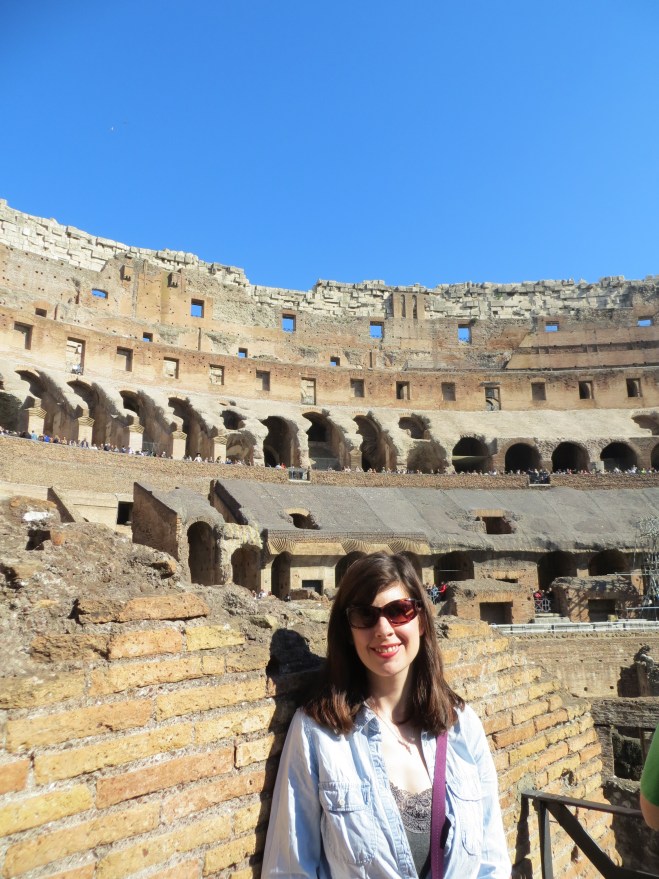
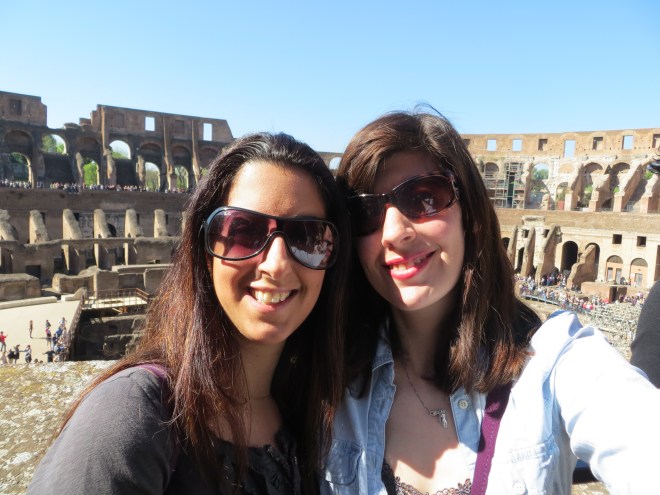
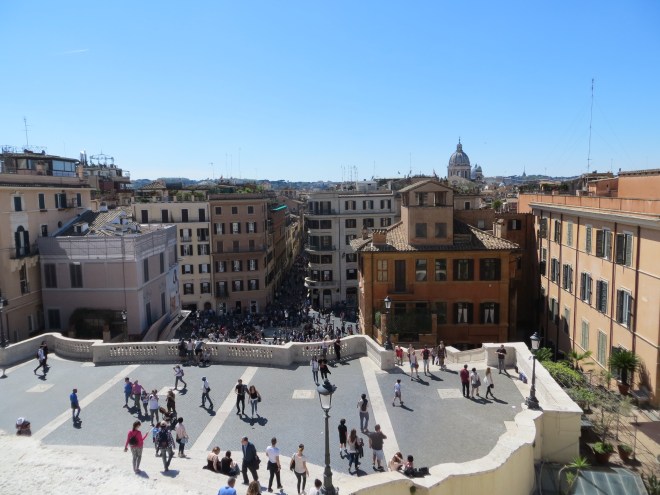
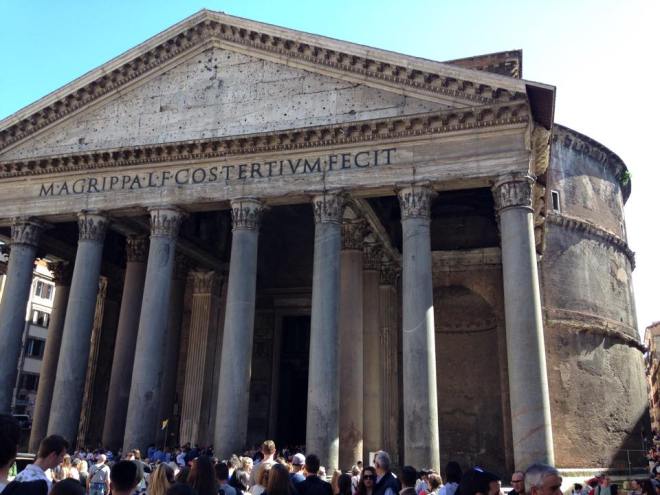
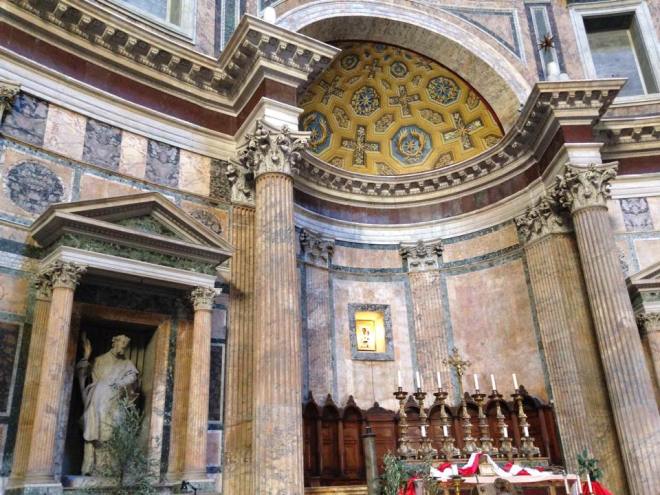
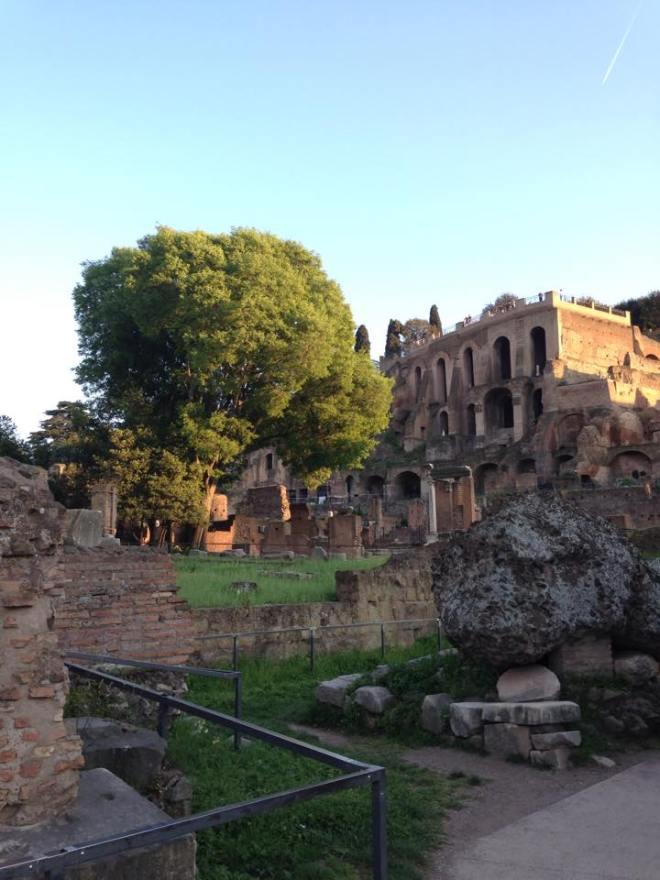
Sunday: A walk around Rome, including all the major tourist spots — the Colosseum, Trevi Fountain, Spanish Steps, Pantheon, and the Roman Forum. Eat dinner on our patio.
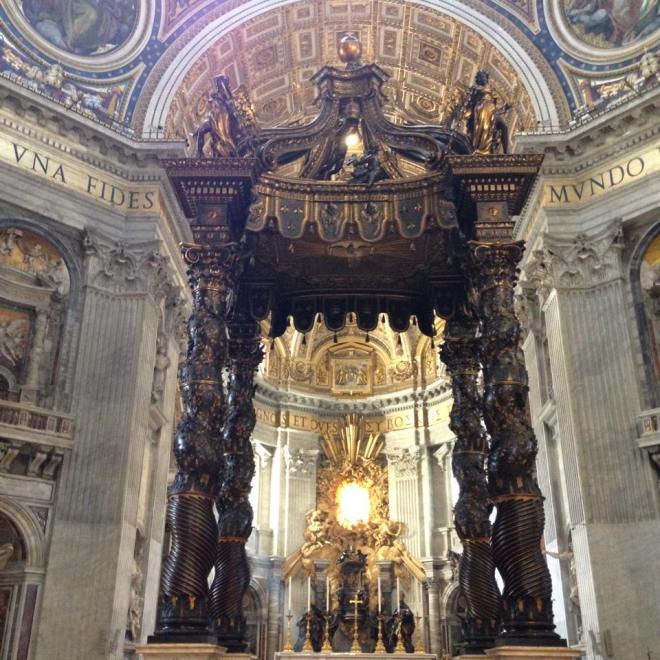
Monday: the Vatican City and St. Peter’s Basilica. Eat dinner in the Trastevere neighborhood.
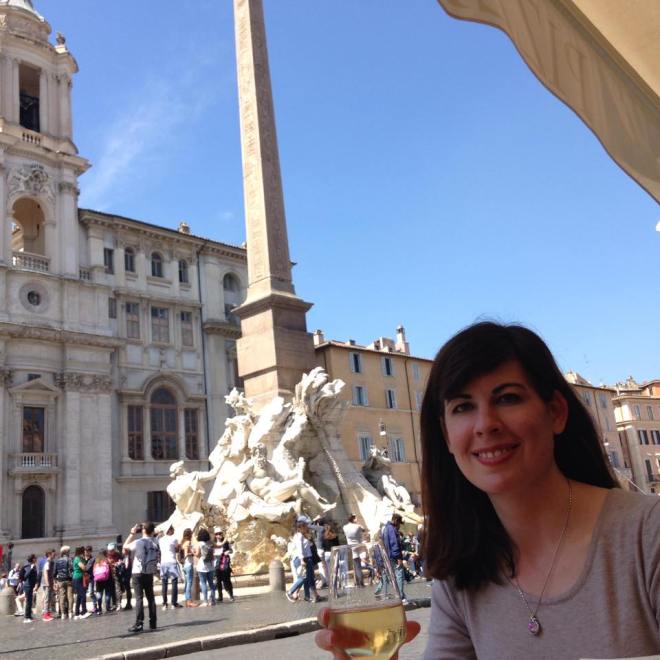
Tuesday: reading/snack at Piazza Navona, lunch at Costanza, a long walk through the Villa Borghese. Eat dinner in our neighborhood.
Wednesday: Quick brunch in our neighborhood and then, goodbye, Rome! 😦
Triumphal ArchColosseumBecause you can never have too many photos of yourself at the Colosseum …Nicole and April at the ColosseumTrevi FountainApril at Trevi FountainSpanish StepsLooking down from the Spanish StepsPantheonInside the PantheonInside the Roman ForumInside the Roman ForumOrange GlowVatican CityVatican CeilingSt. Peter’s BasilicaPiazza Navona
Tips and Observations about Rome
We downloaded the Rick Steves’ free walking tour app for the Colosseum and the Roman Forum. It provided a context for what we were seeing, and despite the cheese factor, both tours were informative.
We went to the Colosseum first thing in the morning, and planned to visit the Roman Forum right after that. But, the line was very long and didn’t appear to be moving. I suggested we hit all the other major tourist spots and return to the Forum in the evening. When we came back, there was no line at all, and we pretty much had the place to ourselves.
I learned taking photos of the Sistine Chapel is not allowed. 😦 But, I saw it! 🙂
Rome is dirty, compared to other major cities I have visited.
I had a hard time wrapping my mind around the fact that all of this was real, and not some American, Chuck-E-Cheese approximation of history. As Rick Steves pointed out in his tour of the Roman Forum, “You are walking on stones Julius Caesar walked on.” WOW.
I loved the trees in Rome as much as anything else, and learned (from Rick Steves) that they are called “umbrella pines.” They remind me of a child’s rendering of a tree — long, bare trunks with a mass of squiggles at the top.
Umbrella Pines
Stay tuned! I’ll be posting about food in Rome, Berlin, and thoughts/tips on travel this week!
As part of my language training the last week, we took an afternoon field trip to the Ecological Museum in Peja.
Ecological Museum, Peja, Kosovo
First, we saw two exhibits showcasing how things looked in a traditional Albanian home. Here is a living room. Men would be served beverages here. The long-handled pot you see in the left corner of the picture was used for washing hands.
Next, we saw a kitchen. Families used to sit on the floor or low stools around a table on the ground, which is called a soffit. (Note: I am not sure if I spelled that correctly.)
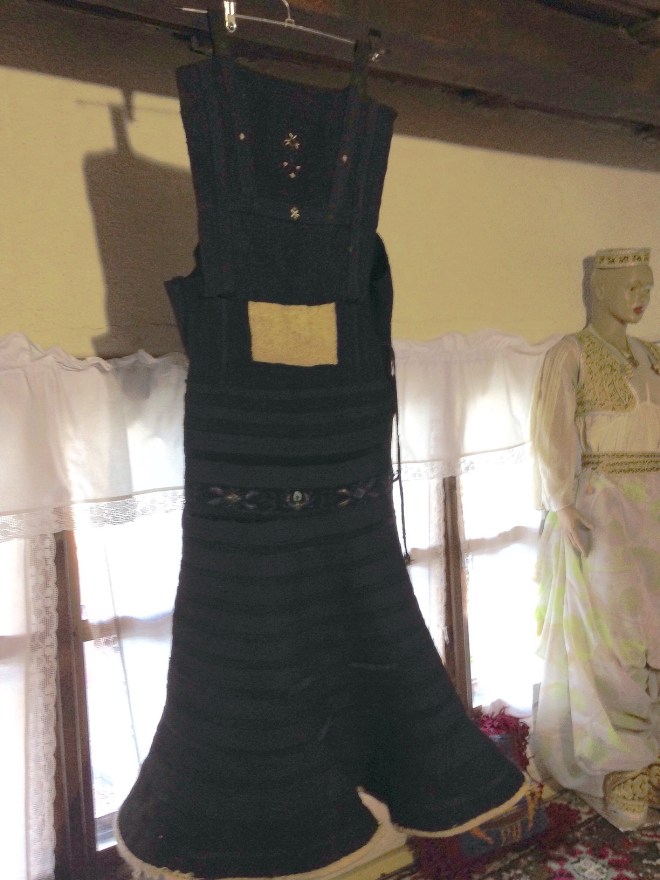
The clothing exhibit was probably my favorite part of the museum. This wool dress is 100 years old, and was based on an Illyrian design. The Illyrians are considered to be the first group of people to inhabit Kosovo and other parts of the Balkans.
The following is an example of what women used to wear in Kosovo. (I must have asked our tour guide three times, “They dressed like this EVERY DAY?” It seems an outfit this elaborate would get dirty … )
Here is what men in Kosovo used to wear. I was interested to learn the white cloth around their heads are actually burial shrouds. Men would wear their burial shrouds every day, in case they were killed.
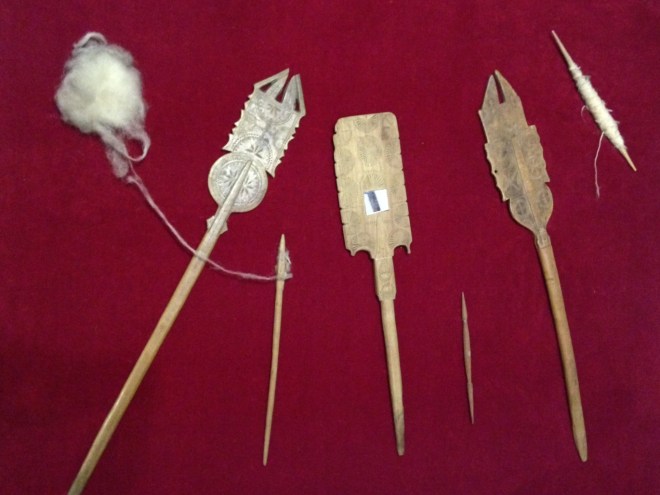
As someone who likes to crochet, I appreciated this display of old sewing/looming tools.
The other part of the museum featured old coins and artifacts that had been discovered locally. I didn’t take pictures of those exhibits because it was dark in the room. (And honestly, I am just less interested in that stuff.)
Overall, my visit to the museum was enjoyable, and I learned a few tidbits about Kosovo that I did not know previously. Admission was only 1 Euro. If you ever find yourself in Peja, Kosovo, the Ecological Museum is worth checking out.
Last week, we had an in-service language training, which was very useful. I got to learn more about the Albanian language (Shqip, pronounced “Ship”).
One concept I previously had a hard time understanding was that of “cases” in the Albanian language. I am going to explain cases as best as I can, based on my understanding of what they are. Cases show the grammatical function of the word in a sentence.
In Shqip, the word endings of nouns change to show their function in a sentence. Let’s use my name, “April,” as an example. The word April is actually considered a masculine word in Shqip, because it ends in a consonant (feminine words end in a vowel). Here are the ways my name would change, depending on its function in a sentence:
Kyo eshte Aprili.(This is April.) My name gets an “i” at the end, because I am the direct object.
Lapsi eshte Aprilit. (The pencil is April’s.) My name gets a “it” at the end, because I am the owner of the pencil.
Dje e pashe Aprilin. (Yesterday I saw April.) My name gets an “in” at the end, because I am the receiver of an action.
Now consider the following sentence:
The postman brought the parcel. The order of the words gives us information about the sentence. If we changed the word order to “The parcel brought the postman,” the meaning of the sentence would change.
Let’s look at that same sentence in Shqip. It translates to “Postieri ([the] postman) e solli (brought) pakten ([the] parcel).” Because the words “postman” and “paketen” change endings to tell us what their functions are in the sentence, we can use the words in any order.
Paketen e solli postieri.
E solli postieri pakon.
E solli pakon postieri.
Postieri pakon e solli.
Pakon postieri e solli.
All of these sentences have the same meaning, and all of these sentences are grammatically correct.
This fact blew my mind!
So when I return from having lived in Kosovo for two years, and you ask me, “April, why aren’t you fluent in Albanian?” My answer will be, “Because of the cases.” 🙂
I hope you enjoyed this mini lesson on the Albanian language.
A while back, I asked my friends and family members to send me questions to answer on the blog. My Dad asked about sports and the outdoors in Kosovo. Since I’m not exactly Sporty Spice, I decided to outsource his questions to someone more knowledgeable than I. My friend Andrew has participated in a lot of outdoor fun since he moved to Kosovo. Without further adieu … –April
Andrew Bivins
Përshëndetje! I am excited and honored to be taking over April’s blog this week. Apparently I have gained a bit of a reputation for loving the outdoors, especially in Kosovo. In fact, the nature here is so beautiful that I started documenting it, which led me to discover another passion of mine, photography.
Photo courtesy of Andrew Bivins
Back in the U.S., I was just getting into hiking and kayaking before I moved to Kosovo for my service. I am from Atlanta, so it was quite common for my friends and I to flee the city for the weekend for some fresh air on the southern end of the Appalachian Trail. I wasn’t sure what to expect once I found out I was moving to Kosovo. I had read that Kosovo was mountainous and forested, so I knew there was potential, but I wasn’t sure how accessible outdoor activities would be.
Photo courtesy of Andrew Bivins
During my first year, I went on a lot of hikes with other volunteers and we usually found some great trails on our own through trial and error. The town I live in is pretty flat, so I usually relied on my friends who live in the more rugged areas to ask around and get an idea of where we should go. Unfortunately, unexploded landmines from the war are still a concern, especially in the mountainous border regions. It’s best not to get too adventurous, unless you really know where you are going and that the area has been confirmed to be free of mines. Luckily, there are many public and private organizations in Kosovo that are actively working to rid Kosovo of mines and other unexploded ordnance. There are also a lot of resources available, such as maps and local tour guides, that will allow you to safely enjoy the nature here.
Photo courtesy of Andrew Bivins
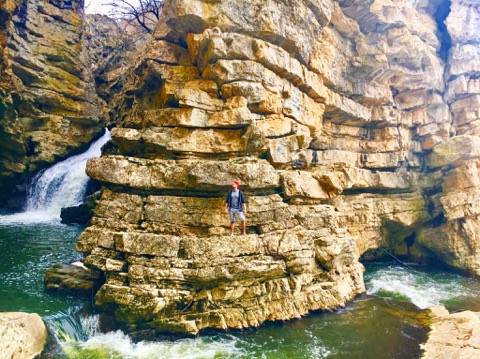
I was talking with a local friend the other day and we were discussing how we have both noticed the recent increase in opportunities to take part in organized outdoor events. It has been amazing to watch Kosovo develop in this way during my nearly two years of living here because I truly believe that Kosovo has an incredible potential for ecotourism. Seeing that potential slowly turn into reality is pretty cool. Every week you can see new tour companies popping up on your newsfeed, advertising organized group hikes, bike rides, rock climbing, cultural tours, etc. These offers are usually at a pretty low price and they include transportation, food, and an expert guide. I recently took advantage of one of these opportunities and I went snowshoeing for the first time. We started in a village called Restelica and walked 10+ km over a mountain to the village of Brod. This was in one of the most remote regions of Kosovo and I never would have felt comfortable to do this without a guide, especially in the snow when visibility is so low and avalanches are such a risk. It was certainly a challenge, my legs are still burning three days after the fact, but it was an amazing experience. The guides were incredibly knowledgeable and helpful and I was able to learn the basics. My only disappointment is that it is the end of winter and I only just now discovered that I love snowshoeing. Next winter I plan to snowshoe as often as possible. I am also hoping to pick up skiing. I went once when I was in high school, but I would hardly call myself an expert. Kosovo is definitely a great place to learn! Depending on where you are, you can find slopes for beginners, or more challenging ones if you already know what you’re doing. I’ve also seen a lot of snowmobiles during my visits to Brezovica (the main ski resort in Kosovo) and I think it would be awesome to learn how to do that as well. With that said, PCVs aren’t allowed to drive cars or motorcycles, so I assume there is some sort of rule about snowmobiles. If you are currently serving, it’s probably just best to wait until you close your service before you give that a shot.
Photo courtesy of Andrew Bivins
I think a lot of Peace Corps Volunteers in Kosovo will tell you that winter is tough. My first winter was the most difficult part of my service. I didn’t know how to deal with it and I spent far too much time sitting inside and feeling sorry for myself. My second winter has been the exact opposite. Yes, it was still cold, but I got out as often as possible, enjoyed myself, and stayed busy. Winter was still there, it didn’t change, actually it was colder this winter, but my perspective changed and it made all the difference in the world. My family and friends back home have been shocked to see me enjoying the snow so much. I was never really a winter-type of guy, but I suppose you can count it among the MANY things I have learned to love during my almost two years in Kosovo.
April’s Note: If you enjoyed Andrew’s beautiful pictures, please follow him on Instagram: instagram.com/seekosovo
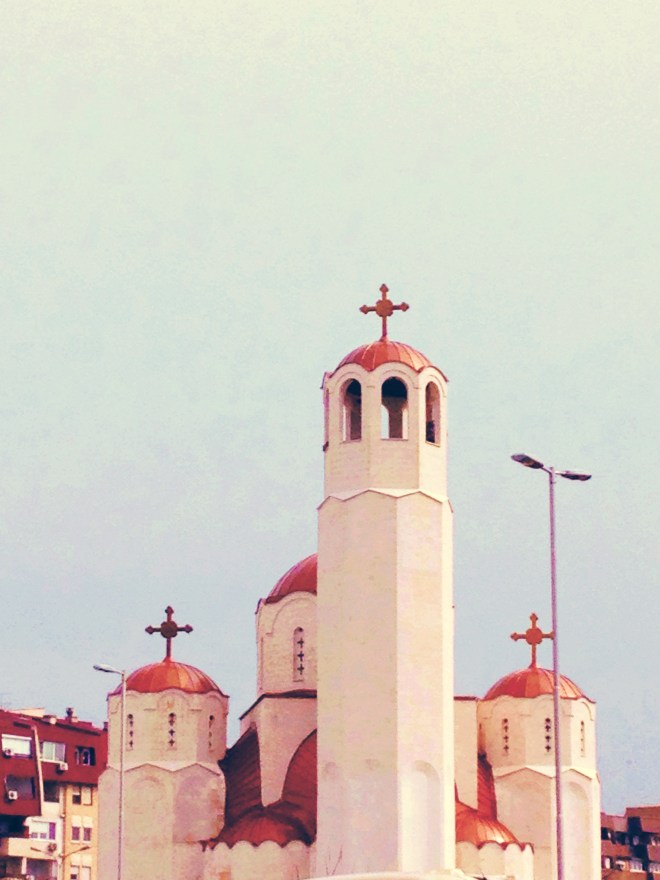
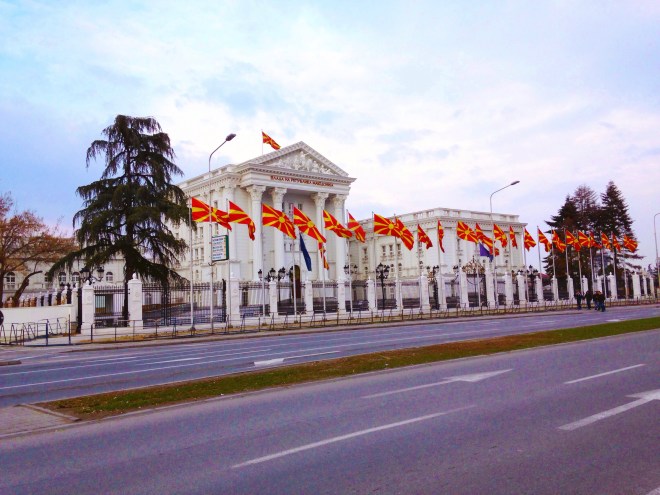
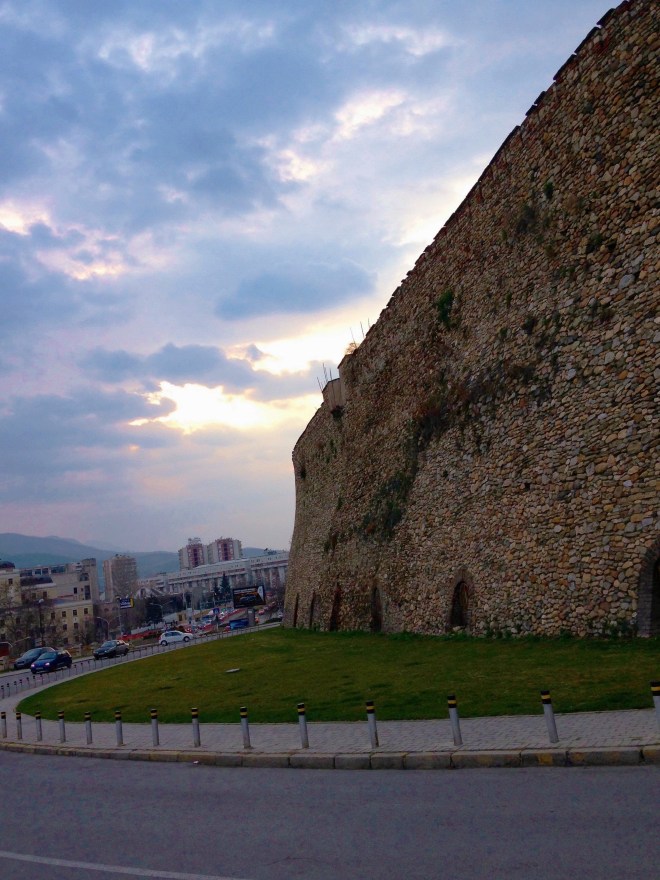
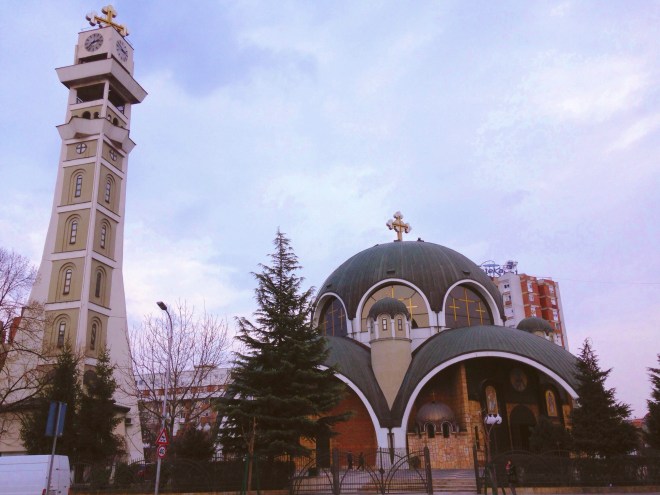
I took these photos on a recent visit to Skopje, Macedonia.
Across the street from the bus station …So many flags …Fortress/castle from the Ottoman Empire. It’s huge! I hope I get a chance to go back and visit.I loved this domed church. So pretty!Downtown Skopje, Macedonia
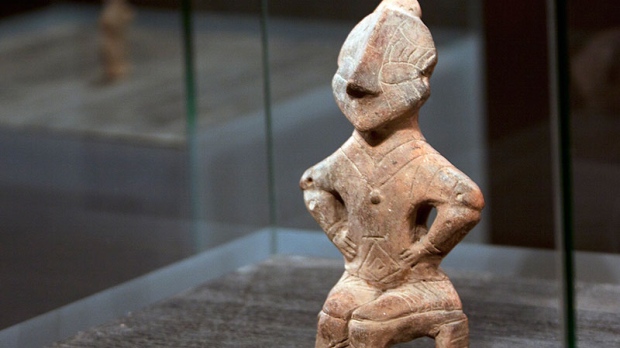
Goddess on the Throne is now on display at The Ethnographic Museum (Muzeu Etnologjik). Unfortunately, taking photos is not allowed. 😦 I was surprised to find that she is small … only about 6 inches high!
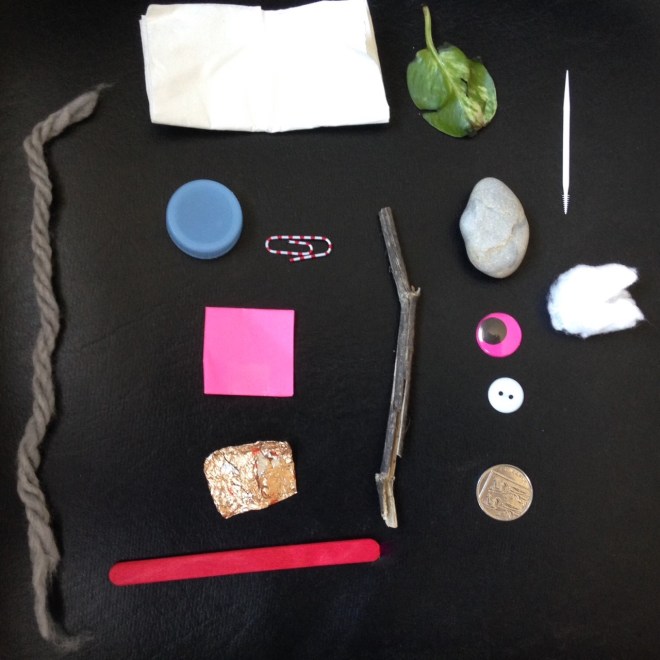
The following is a simple exercise I created for my classes. I have named it “15 Objects” because it uses … 15 objects.
My teaching counterpart really liked this exercise. (I’m always proud when I come up with an idea she especially likes.) What I like about it is that it incorporates kinesthetic learning into the classroom, something I struggle to do. As a primarily visual learner myself, I tend to favor visual exercises.
I also like this exercise because it was easy to create, and free! I just used 15 things I found around the house and yard.
You could use anything for this exercise. I used:
A piece of yarn
A tissue
A bottle cap
A post-it note
A candy wrapper
A Popsicle stick
A paper clip
A leaf
A stick
A rock
A plastic toothpick
A cotton ball
A craft googly eye
A button
A coin
I asked students to come up to the room 5 at a time and take one object from the bag I was holding. Then I asked the student to describe the object. Students answered questions like, What color is it? What shape is it? Is it big or small? Hard or soft? Thick or thin?























 Hello from Kosovo