Last week, I decided to keep a 5-day food diary to give you an idea of what it is like to live and eat in Kosovo.
(Note: At times, I am posting old photos or photos from other sites. I didn’t want to weird out my host mother by taking pictures of the meals she cooked.)
Also, I didn’t include snacks. I eat chocolate. A lot of it.
Monday
Breakfast: banana + a cup of coffee
Lunch: 2 speca (peppers), two small tomatoes with salt, a big hunk of homemade cheese, several glasses of milk
Dinner: A bowl of pasule (traditional bean stew here in Kosovo) with white bread and one glass of milk
Pasule (Photo Credit: Albania Adventure)
Tuesday
Breakfast: banana + a cup of coffee
Lunch: Two pieces of reheated dough filled with egg (leftover from Sunday breakfast) and two glasses of milk
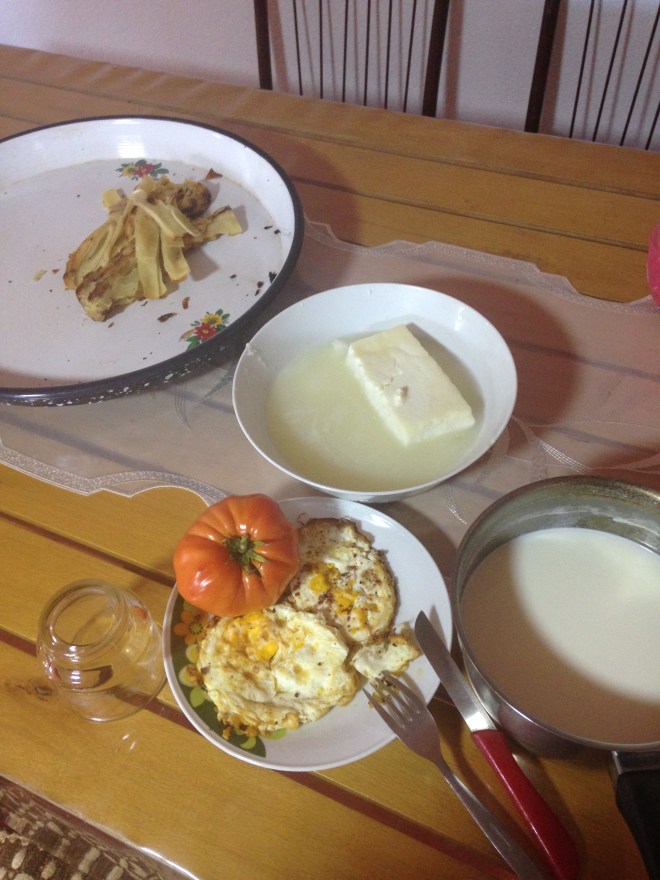
Dinner: Two fried eggs, a hunk of homemade cheese, and several glasses of milk
Lunch: Reheated dough and egg
Wednesday
Breakfast: a cup of dry Cheerios + a cup of coffee
Lunch: one speca (pepper), one bowl of leftover pasule, 2 glasses of milk
Dinner: one bowl of leftover pasule, 1 glass of milk
Thursday
Breakfast: a cup of dry Cheerios + a cup of coffee
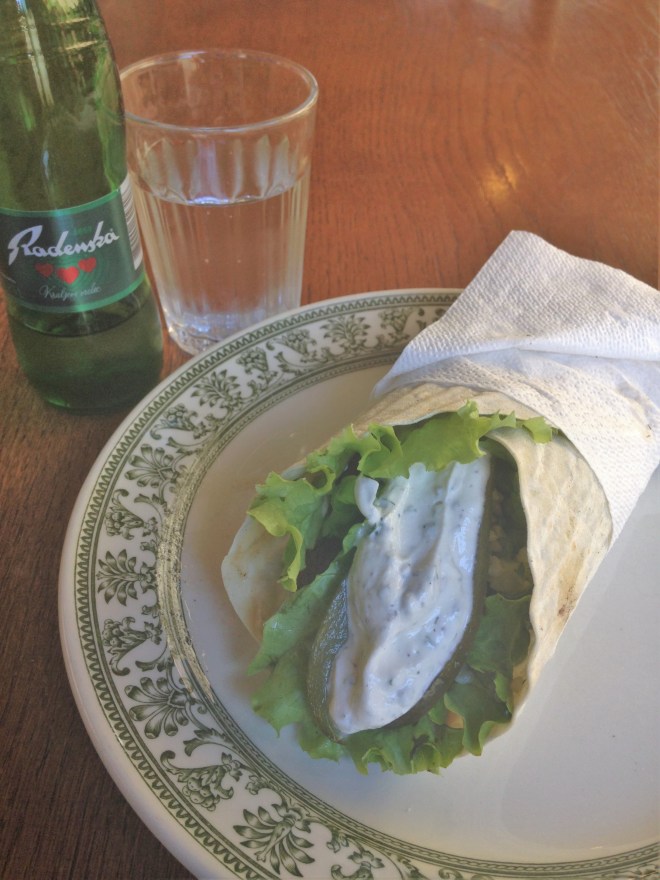
Lunch: I was in Pristina to work, which means I got to have a treat! I had a falafel sandwich from one of my favorite restaurants, Babaganoush. HEAVEN.
Dinner: Flia (traditional Kosovo food that’s just layers of dough cooked over an open flame)
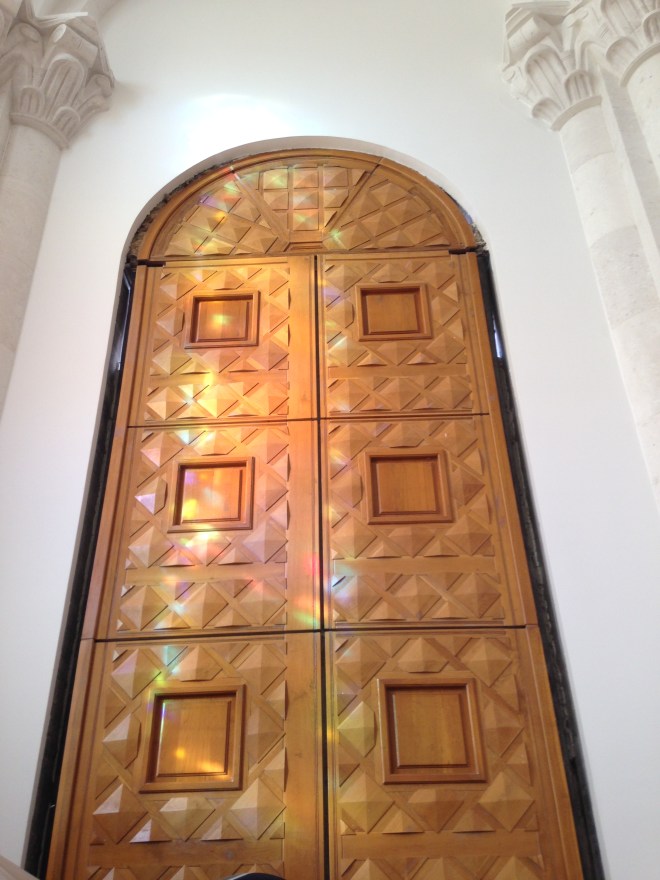
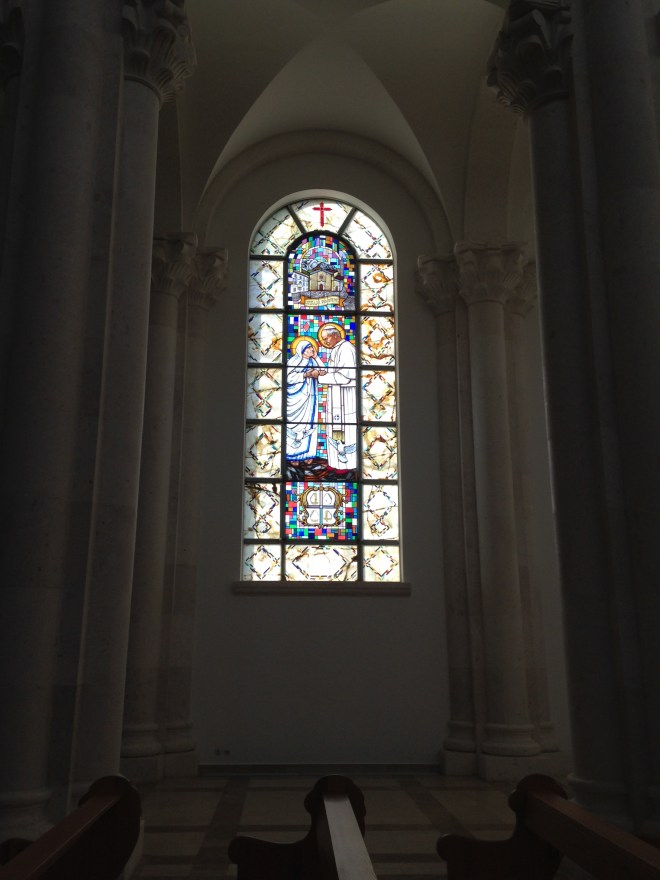
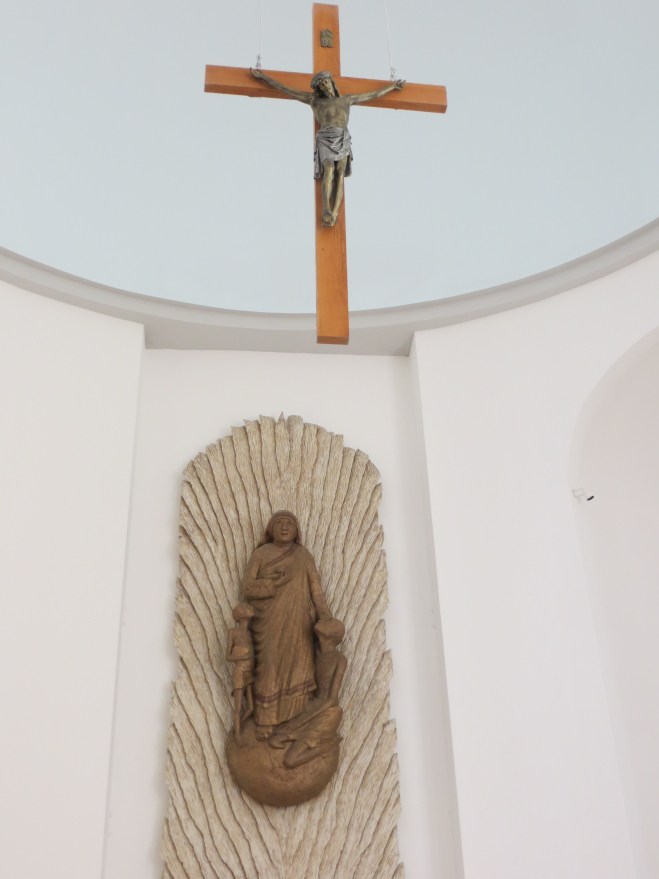
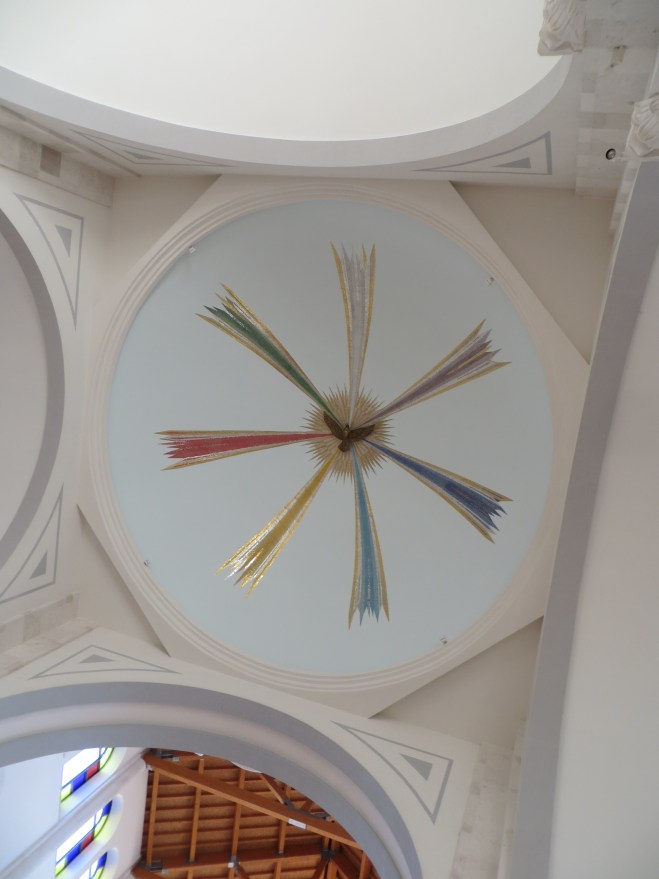
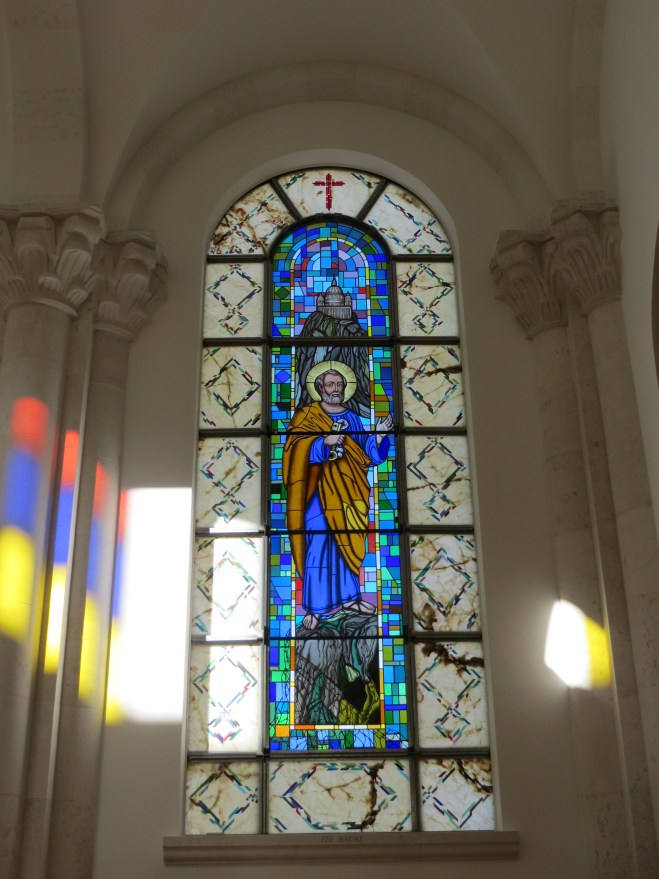
During my first visit to Pristina, my language training group got to go to the top of Cathedral of Saint Mother Teresa to enjoy a great view of the city. The cathedral was under construction at the time. Now, it is finished. I visited again with some friends to see the new interior.
Exterior
Rainbows and stained glassI love this door.The church has several panels depicting Mother Teresa’s life.
Mother Teresa
Mother Teresa
Eagle pewMother Teresa
Interior
Stained glass + beamsCeilingPretty stained glass
According to the CIA World Factbook, 2.2% of Kosovars are Roman Catholic. The country is primarily Islamic (95.6%).
I live in a Catholic village. You can see photos I took of my local church here.
I try to avoid talking about the Peace Corps as an entity on this blog. Technically, they’re my employer (or sponsor? over-seeing body?), and writing publicly about an employer is probably not a wise move. In all honesty, I have had a decent experience in my dealings with the Peace Corps. However, my grant project has been nothing but a headache from start to … haven’t finished it yet.
Peace Corps has a pool of money intended to fund grant proposals made by volunteers. To get funding, volunteers must write a formal proposal, submit it before the grant cycle deadline, and have it approved by the small-grants committee. I don’t know how this committee is structured in other host countries, but in Kosovo, the small-grants committee consists of selected volunteers and is overseen by Peace Corps staff.
My grant proposal was for about 1,600 Euro to buy sports equipment for my school. This proposal had been started by my site’s previous volunteer, but due to banking issues, never came to fruition.
After talking with my school, I decided to re-submit the project. I tweaked the original grant proposal and submitted it before the March deadline. I expected this process to be easy, since the project had received prior approval.
The months following turned into a quagmire. The small-grants committee would send me requested changes, I would make them and re-submit them, and then the committee would think of something new to change. After something like the 6th draft, I wrote an email to Peace Corps staff. I was professional in my email, but the gist was basically, “What the hell is going on?” I said that I would be willing to submit one more draft, but if the committee had changes after that point, I was going to drop the project.
A staff member offered to sit down with my grant adviser and me, and we hashed out the last round of changes. This was in May. Finally, my grant received approval.
Next, my counterpart and I had to set up a joint bank account. This process was also a bit of a quagmire. We had to go to the bank on two separate occasions. My host father had to come and sign a document stating that I live in his house. Then, the bank wasn’t satisfied with that document, so my host father had to go to the bank again and sign another document.
I then received word that the grant money would first be deposited in my individual bank account. I did not consent to this. The whole point of setting up a joint bank account is to add a shield from liability for the volunteer. But by the time I received word of this unsettling development, the money had already been wired.
Once the money landed in my account, I tried to transfer it into the joint account. It turns out, the joint account hadn’t been activated. The banker who helped us set it up had gone on a two-week vacation. I don’t know if this caused the delay or was just a coincidence, but in any case, it took another two weeks for the joint account to open. Then, I had to go back to the my bank to schedule another transfer.
When my counterpart and I went to withdraw our money from the joint account, she didn’t have to sign anything. I am not sure what happened there, if she is actually on the account or not, but I have concluded that banks in Kosovo don’t understand what a joint bank account is.
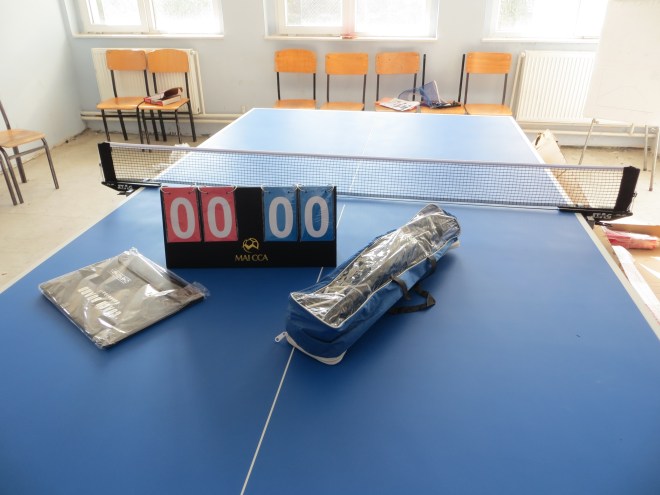
Anyway, this process has been tedious. I have follow-up paperwork to do in the months ahead. I am just glad my school finally got their sports equipment, after nearly two years of waiting.
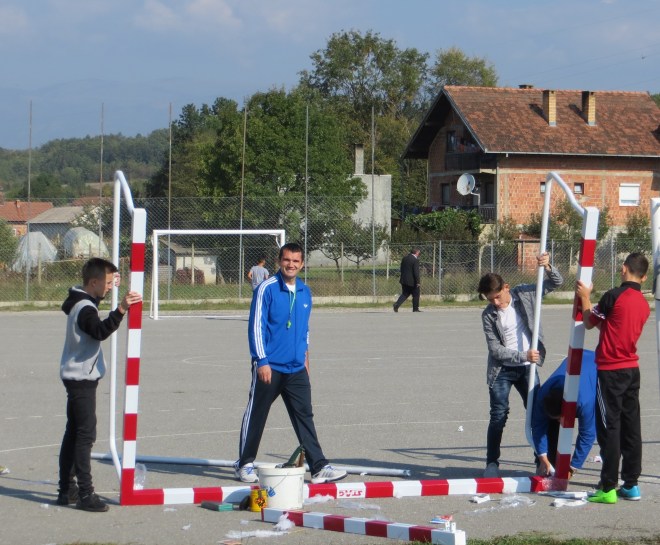
This is the “gym” at my school, just a classroom.New equipmentPhysical education teacherSetting up the soccer/football goalSoccerVolleyball
I was talking to another volunteer and we agreed — a grant project is an easy thing to point to when people ask what you did in the Peace Corps. It is much harder to quantify relationships you’ve built or the impact you’ve had on students, but in the long run, those things are far more important.
I also feel like, as “the American,” I get a lot of credit from the school and community for bringing this project about. But, I share the credit with many people:
Our physical education teacher, who was the catalyst for the project
The volunteer at my site before me, who started the project
My counterpart, for being a huge champion for the project. Also, since she speaks both Albanian and English, she often got stuck with the role of translator.
My project adviser
The small-grants committee. Even though I hated working with them, the project wouldn’t have been funded without their approval.
The local municipality, who gave us an additional 250 Euro for funding
The store where we bought the equipment, for giving us a 20-percent discount on our entire purchase
My host father, for going to the bank twice
The students and other teachers, who helped set up the new equipment
Our school director, who allowed us to host a “Day of Health”
the Peace Corps itself
Well, now I can add “grant writing” to my resume, even though it is something I never want to do again.
Before moving to Kosovo, I had never heard of the following type of dog (it has many names): Sarplaninac, Shar Mountain Dog, Illyrian Sheepdog, Yugoslavian Shepherd Dog. All of those names describe one basic breed of dog, which is common in Kosovo and looks like this:
Photo taken from Wikipedia
Photo taken from About Dogs EU website
Clearly, this is a dog that displays maximum fluffitude, but do not be fooled — they are bred to protect sheep from wolves.
Though I have never seen an actual working dog (as in, up in the mountains, herding sheep), many of the street dogs in Kosovo look like they’re part Illyrian Sheepdog (my preferred name for them). Here is a picture of a stray dog I took in Peja (he was just sleeping, not dead):
zzzzzzzz …
I don’t know why there are so many names for this breed. They are beautiful animals, though. I am not the first Peace Corps volunteer to become fascinated by them (and we all know I’m a cat person). I may have to find a puppy and bring it home to my dad once I am done with my service. 🙂 (Dad, you have been warned … )
If you would like to learn more about Illyrian Sheepdogs, you can click this link.
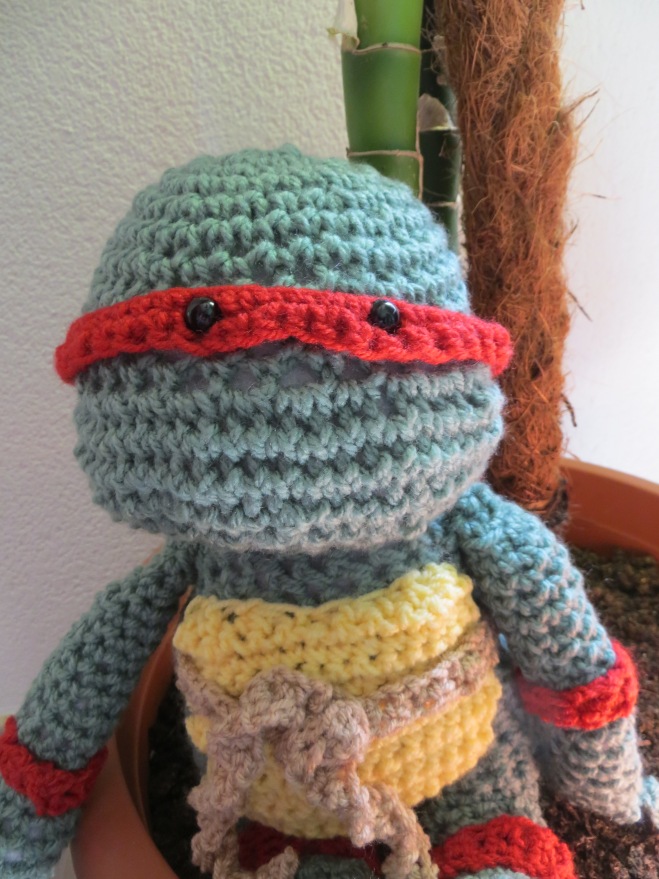
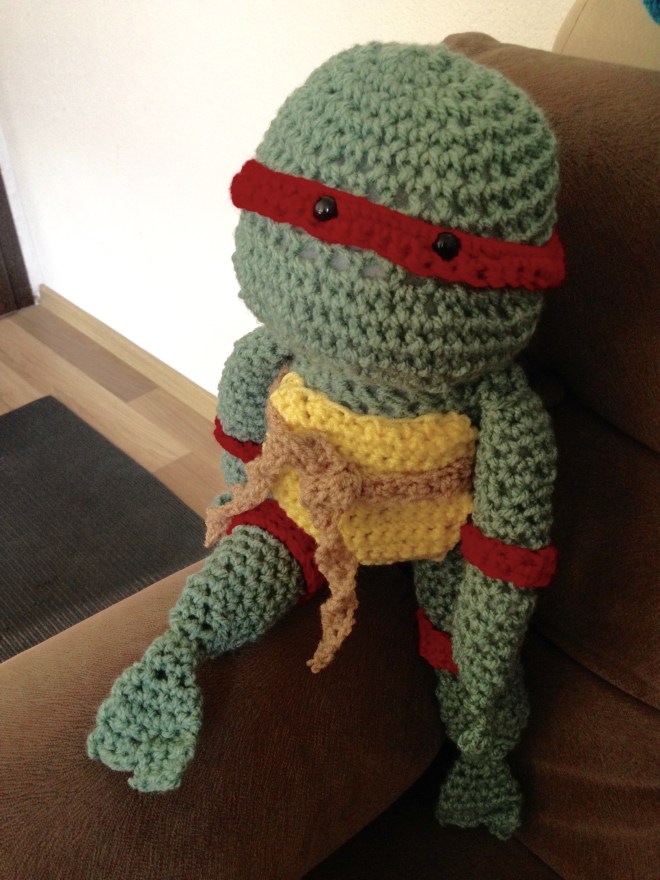
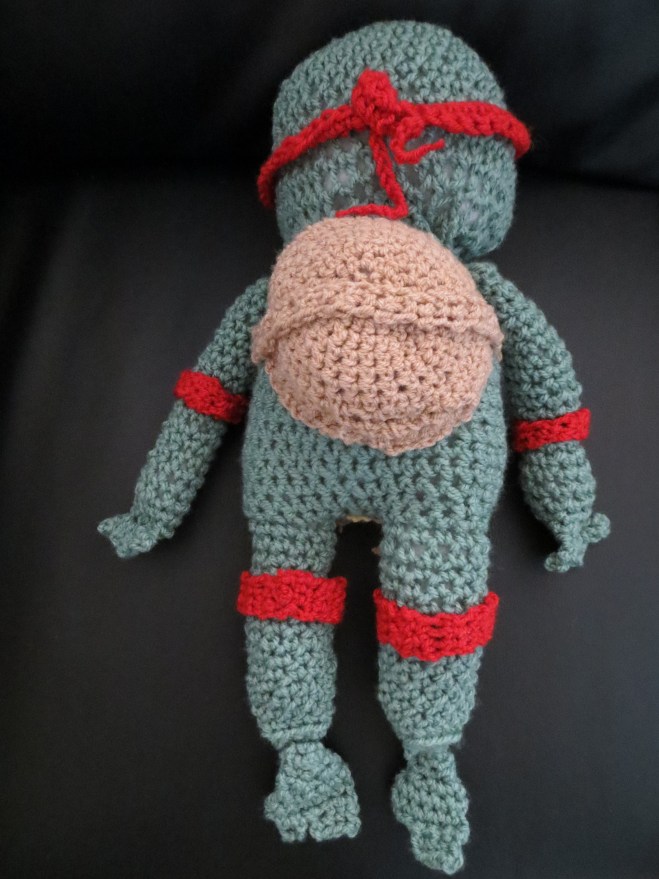
I’m not a fan of the Teenage Mutant Ninja Turtles, but when I saw this adorable crochet project on Pinterest, I was inspired to try it (the pattern is very easy to follow). Someone in my cohort is a big fan of the Teenage Mutant Ninja Turtles, so I decided I would crochet him a surprise TMNT doll.
Fun Fact: The Shqip (Albanian) word for turtle is breshkë.
One of my most successful blog posts of all time is Jennifer the Unicorn, which is amusing but also a little disheartening. I’m supposed to be sharing information about my Peace Corps host country of Kosovo. But, everyone just wants to read about my unicorn.
You can see some of my other crochet projects here:
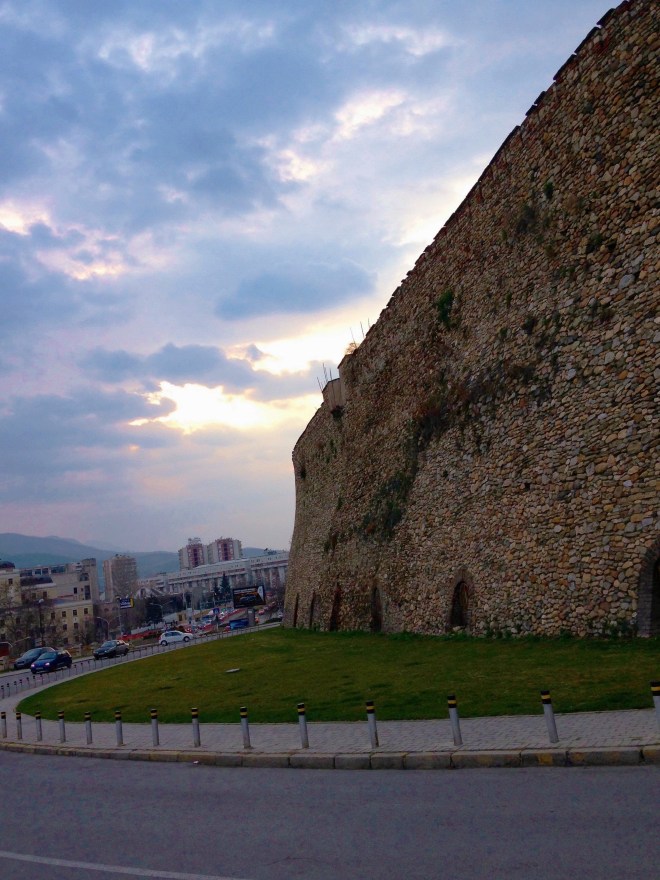
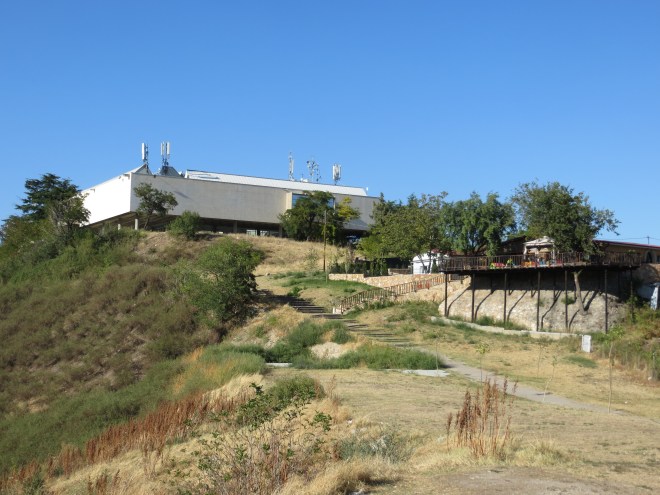
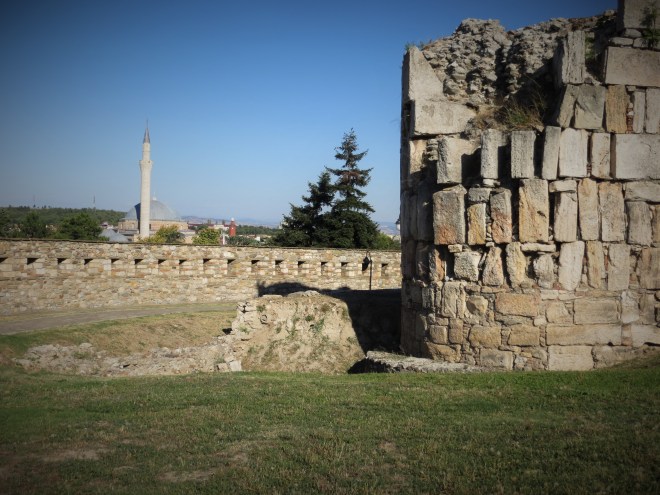
On a recent visit to Skopje, Macedonia, I took a walk to the fortress in the middle of the city. I had previously posted a photo of the outside of the fortress on a different visit to Skopje:
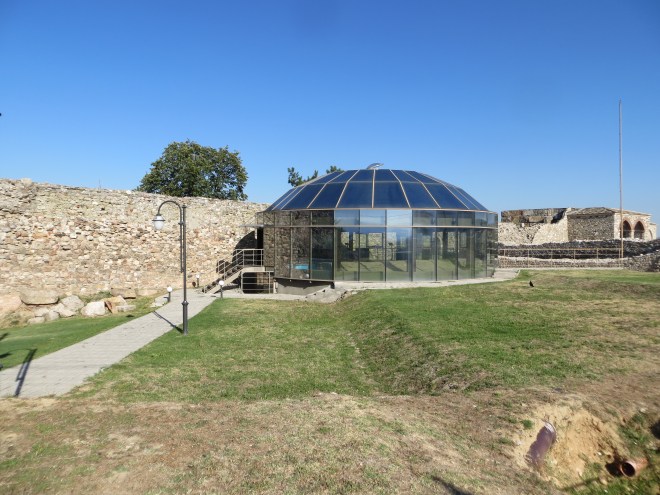
You enter the fortress by crossing through a public park. There was a gate with a stop sign, but an older man selling bottles of water by the entrance just waved me through. I’m going to be honest — I was less than impressed by my visit. There were no signs ANYWHERE, so I had no idea what I was looking at. I had hoped to learn some of the fortress’ history. I had also thought maybe there would be … I don’t know … some artifacts or something? It does offer good views of the whole city, though.
From a Google search, I learned that the fortress is from the Byzantine empire and was built in 6th century A.D. Even online info about this place seems pretty scant.
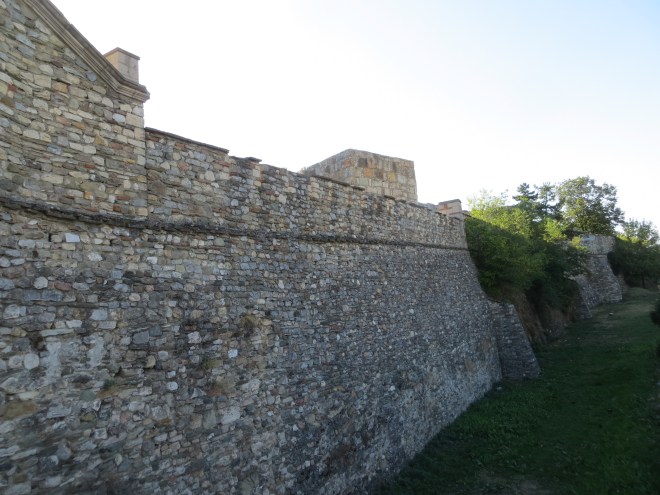
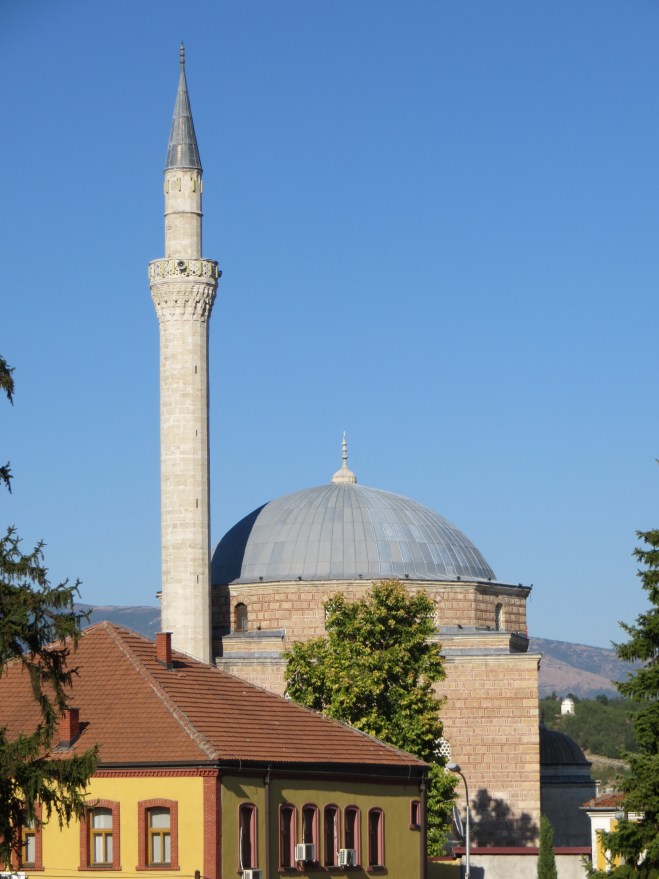
Green parkFortress wallNice view from the parkMosqueMacedonian flag, with the mountains in the distanceWhat’s this? I don’t know!View of Skopje’s Contemporary Art MuseumView of Skopje’s sports arenaCrumbling stone
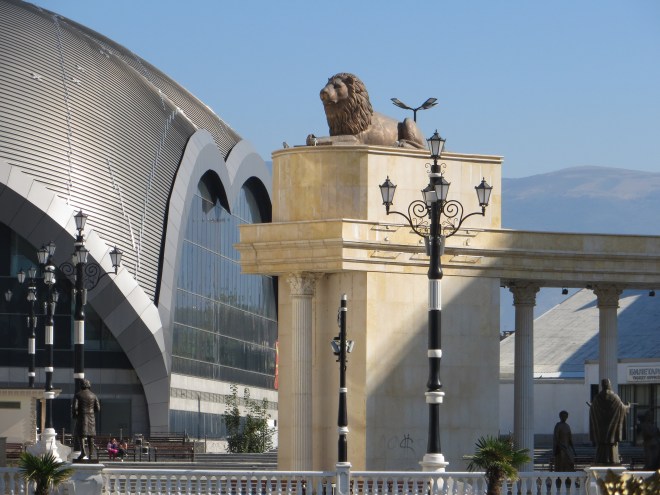
On my walk back to the bus station, I took this picture. I liked the lion statue. 🙂
The newest cohort of Kosovo Peace Corps volunteers recently swore in. I’ve slowly been getting to know them. Over dinner, someone asked me what I think of the term “the posh corps.” It was a thought-provoking question.
“Posh corps” is a term that’s been used to describe what serving in the Peace Corps is like today. I have mixed feelings about the term.
Several members of my best friend’s family served in the Peace Corps back in the 1960s, when Peace Corps had just begun. The stories they’ve shared with me are pretty hardcore. My BFF’s aunt served in the Philippines, and was only able to call home on Christmas, because phone calls were expensive. My BFF’s uncle used to walk 25 miles to work every day. I compare those experiences with my service in the Peace Corps now — I live in a house with wifi, which allows me to post regular blog posts. Thanks to modern technology, I am able to call, email, and message my friends and family whenever I want to. Letters and postcards are novelties, rather than sole means of communication. And I don’t have to walk 25 miles to get anywhere.
I don’t know what service is like in every Peace Corps host country, but as technology continues to evolve, I would imagine life in all PC countries continues to evolve, too. As a result, I would imagine that today, even volunteers serving in locations more remote than Kosovo are having much different experiences than volunteers who served in those same places fifty years ago.
So yes, I will say, life in the Peace Corps is more posh now than it has ever been. Add to this that I chose to serve in Eastern Europe. I live in a house with wifi, running water, and central heating (though, central heating is a rare luxury in Kosovo).
But on the flip side of things, I think referring to the Peace Corps as “the posh corps” dismisses the service of volunteers. No matter how evolved technology becomes, serving in the Peace Corps will be difficult. Leaving behind a familiar life experience to move to a foreign country, learn a new language, and live in a new place is stressful. Constantly having to adapt behavior is tiresome. Being seen as an “other,” even if it is a positive other (Americans are typically highly regarded in Kosovo), can be anxiety provoking on a daily basis.
Unless technology advances to the point where Peace Corps volunteers can spend the day working in their host country and then “beam home” at night, it will never totally eradicate the psychological difficulties of service.
I had a good life back home, one I did not have to leave. I chose to leave it, because I thought it was the right thing to do. Joining the Peace Corps was not a decision I made lightly. Based on research, I chose the experience I thought I could best handle. I didn’t sign up to serve in an African country (hot weather = no) because I knew I would likely quit. I couldn’t see the point in setting myself up for failure.
For me, the purpose of my service really hits home whenever I walk into one of my schools. My classrooms are equipped with only chairs and tables and a chalkboard, nothing else. Some of those chairs and tables are badly broken, yet students still use them because there is nothing else to use. Half of my students didn’t have textbooks last year. (Forget about studying or doing homework … how could they, without a textbook?) Rooms are poorly heated in the winter, and teachers and students alike stay bundled in winter coats and boots all day. The school day is divided in half (mornings for older students, afternoons for younger students), because there isn’t enough money to expand schools or pay teachers for longer days. That means students in Kosovo receive half as much education as students in Western Europe or the United States. In fact, Kosovo has been assessed as having one of the world’s worst education systems.
Every time I walk into one of my schools, I know why I am in Kosovo. I may have more “creature comforts” than Peace Corps volunteers in the past, or Peace Corps volunteers serving in more remote locations. But that does not mean Peace Corps service is not needed in Kosovo.
If you think serving in the Peace Corps sounds easy, I would offer you a smile and say, “Try it.”
Today Kosovo goes back to school! Since this is the newest cohort’s first day teaching in Kosovo, I thought I would write about a very easy secondary project I have undertaken at my school. (My aunt called me out — she said she knows I am struggling for blog ideas when I post about teaching. Haha. That’s partly true.)
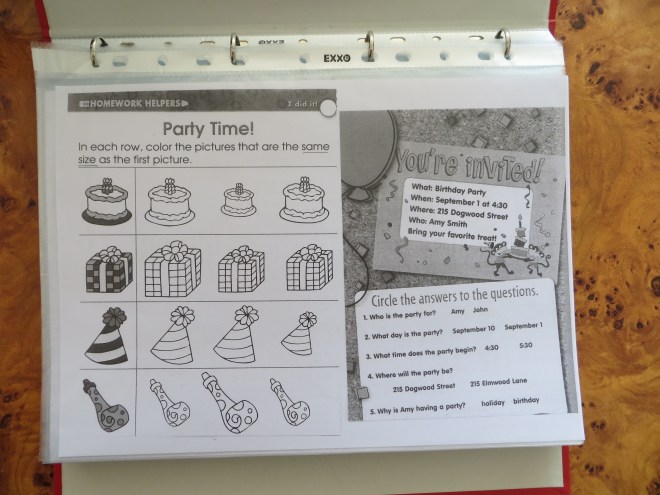
Anyway … another English teacher at my school approached me and asked if I would compile a binder of different games and activities that we could all use. (There are three English teachers at my school + me.) It was such a brilliant and simple idea, I’m embarrassed I didn’t think of it myself.
I bought a binder and some plastic sheets for under 5 Euro total. I bought them at the bookstore in Peja, but they’re probably widely available.
It is getting thick …
Whenever I bring in a worksheet or a game for my class, I make sure to bring an extra copy to throw in the book. We keep it on a shelf in the teacher’s lounge, so that everyone has access to it.
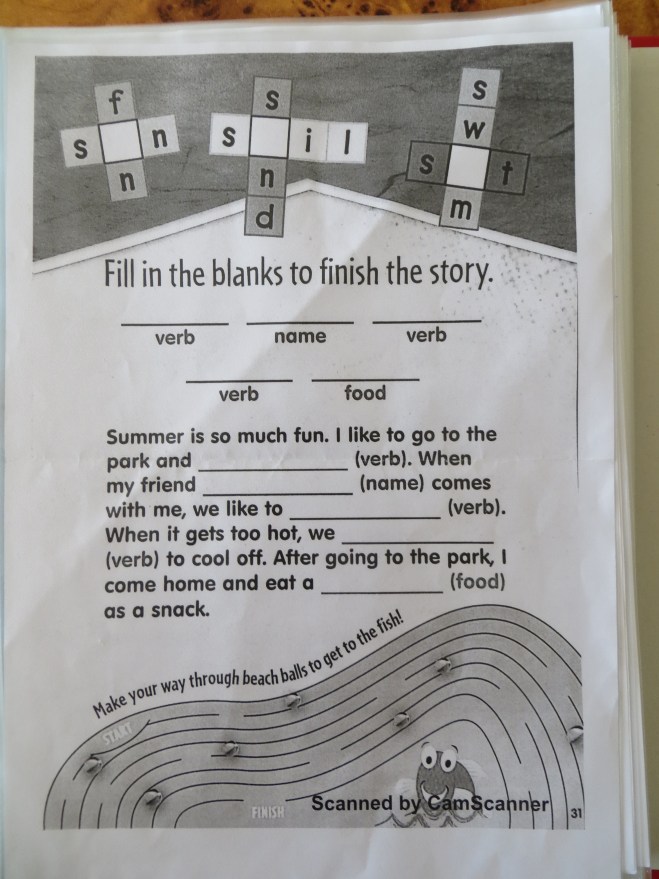
Informational sheet (found on Pinterest)Handmade worksheetWordfinds for different sets of vocabularyColoring pages for younger studentsTeaching materials (yay for fake, Dollar Store money)Copied from workbooks my mom sends me from the U.S.Worksheet I “created” by combining two similar workbook activities
What I like about this book is that other teachers can contribute to it, and it is sustainable. My school can continue to add to and use it after I am gone.
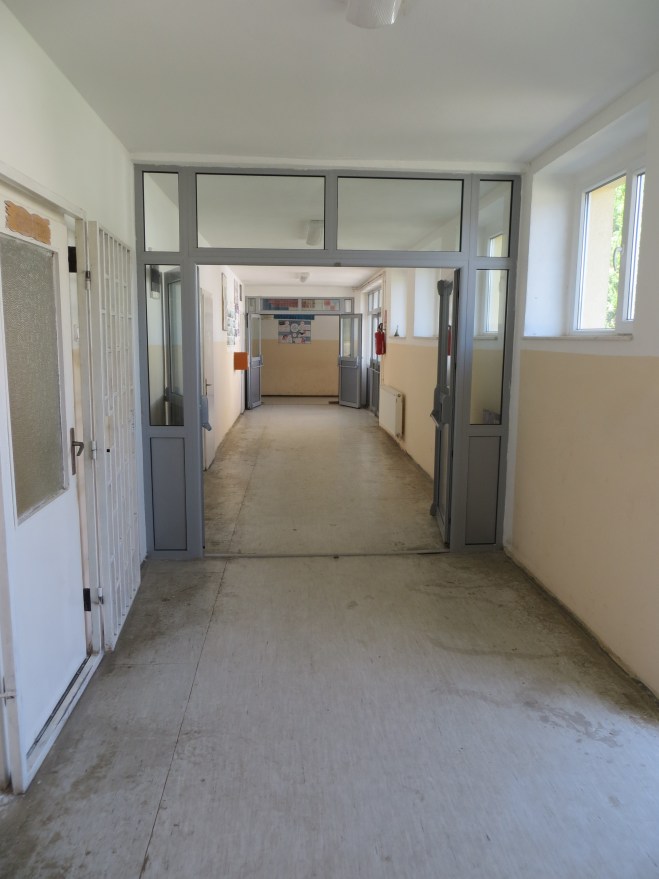
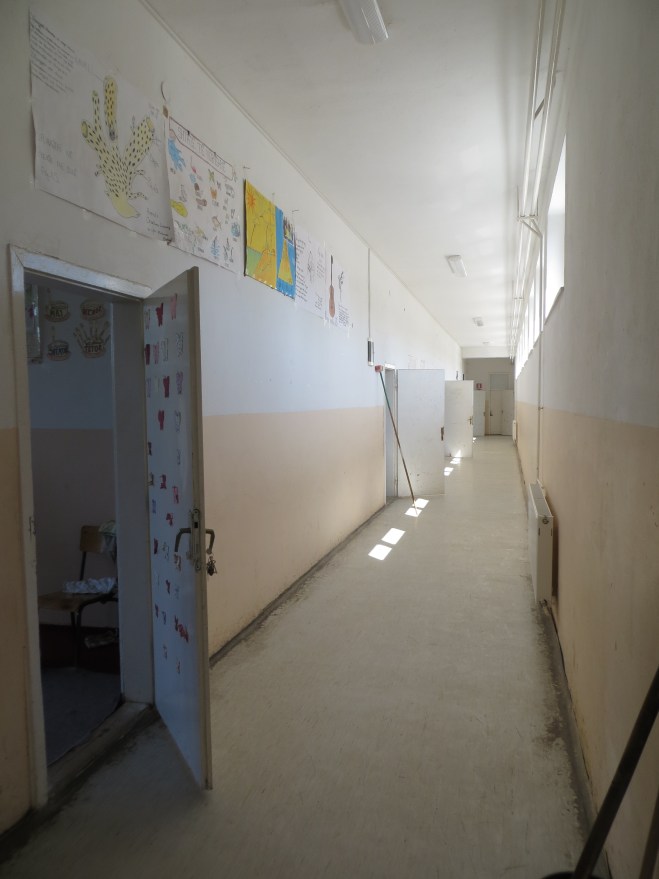
Also, I was at one of my schools last week and snapped some pictures, so you can see the inside. 🙂
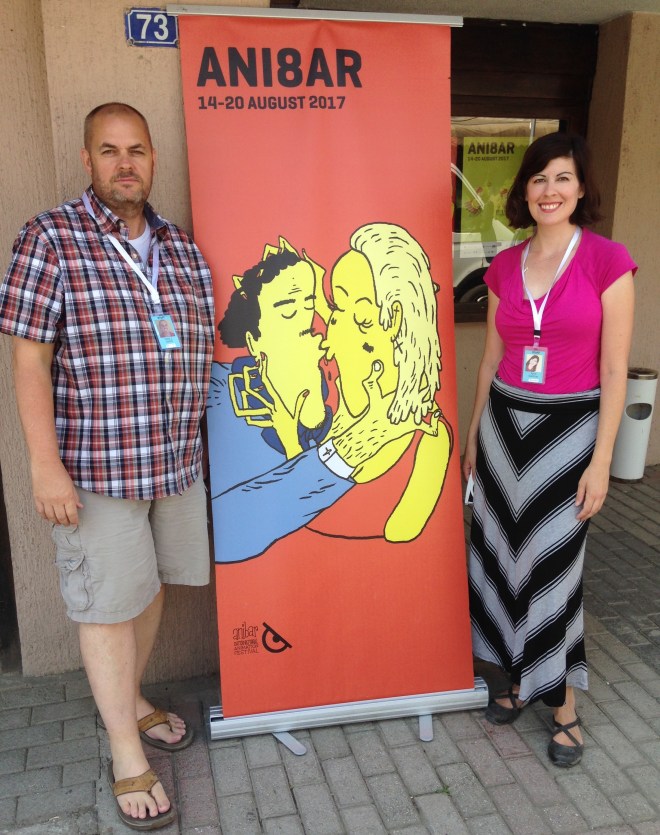
August 14-20 was the best week I’ve had in Kosovo. HANDS DOWN! I volunteered at the Anibar Animation Festival in Peja, Kosovo.
The Anibar Animation Festival began eight years ago. It was founded by my friend’s counterpart, when he was only 17. (What was I doing at age 17? Certainly not founding international film festivals.)
My friend had asked me if I would be the festival’s Jury Coordinator. I told him I would think about it. The next thing I knew, I was having a meeting with his counterpart, where we discussed my role as the Jury Coordinator. I walked out of the meeting thinking, “Wait! Did I ever … agree … to be the Jury Coordinator?”
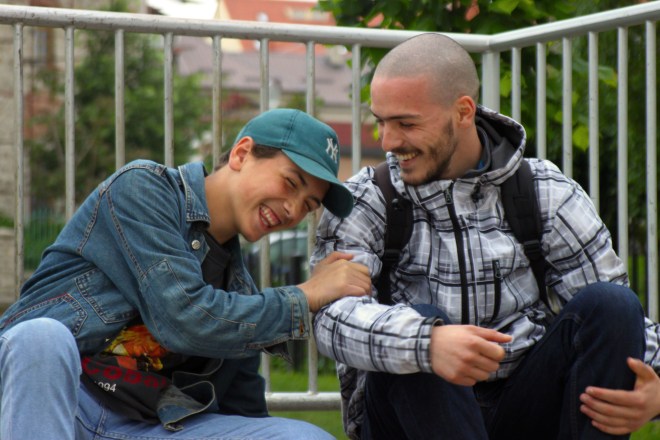
It was the end of the week, and we were still smiling …
I’m not going to lie, I was dreading the whole thing. I pictured a bunch of high-powered Hollywood types who would call me in the middle of the night to make strange demands. Turns out, I was wrong to be so worried.
The jury was comprised of five lovely people who came from Spain, Switzerland, Poland, the Netherlands, and the United States.
I met many new people from all over the world. At one point, I was at lunch, and all four of us spoke different native languages (French, Chinese, English, and Albanian). I love that my native language is the one used to facilitate communication between people who speak other languages.
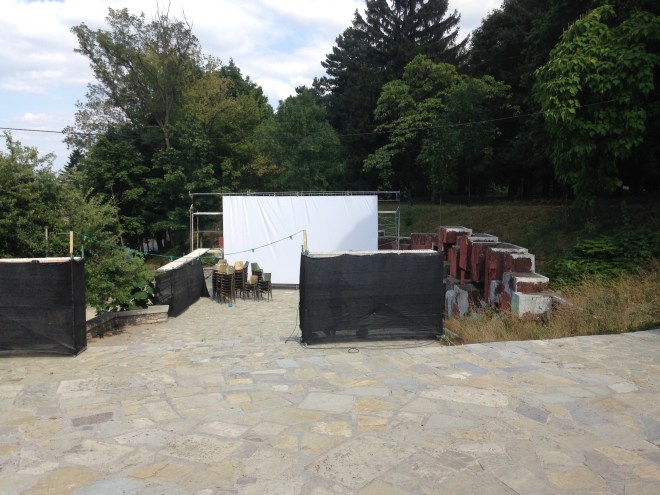
I also saw many films. The festival had two theaters, plus two screens they set up in a local park.
I loved some films, and hated others. Below are two of my favorite films shorts that were shown at the festival. (Warning: Don’t watch these if your boss or your kids are in the room!)
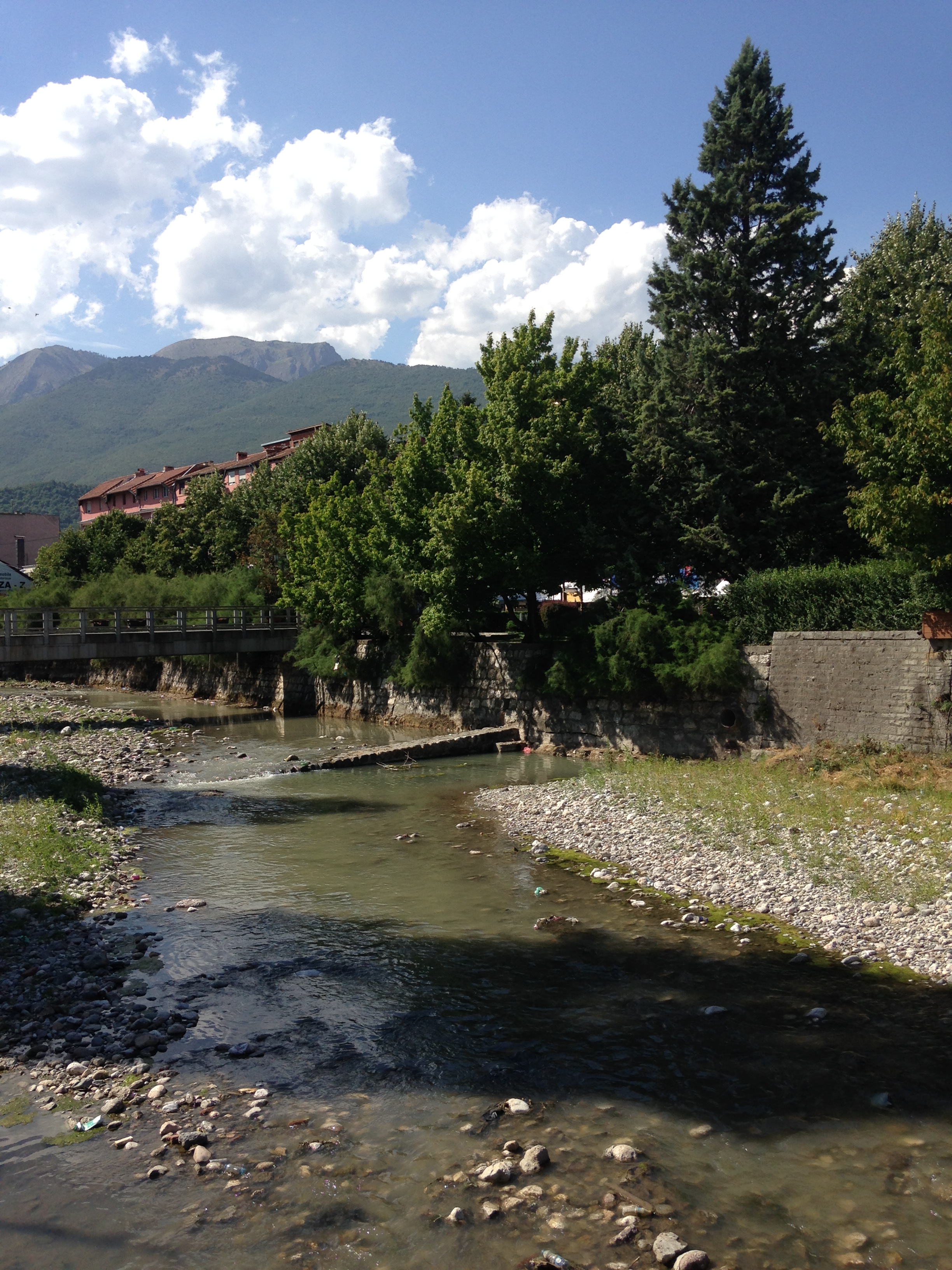
Volunteering at the Anibar Animation Festival also meant I got to spend time in Peja, which is my favorite city in Kosovo. I mean, would you look at this view?
Even the weather cooperated, by backing away from the 100-degree mark.
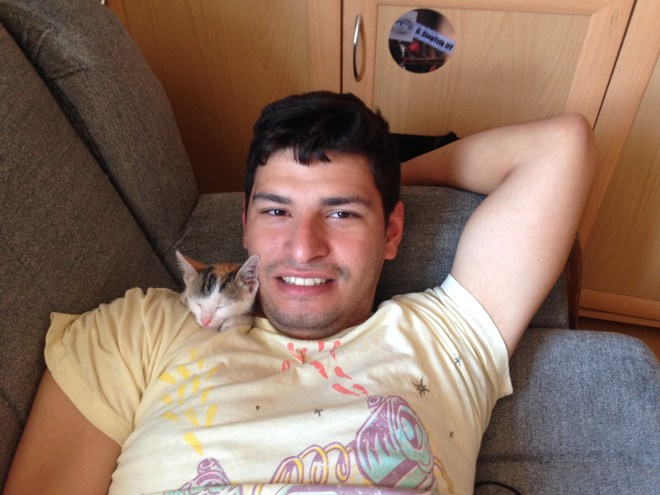
I miss the little routine I developed every morning, where I bought iced coffee (!!!) and went to the Anibar theater to hang out with my friends (and the newly rescued theater kitten) before the start of the festival’s daily activities.
It was a week full of friends, film screenings, workshops, talks, a gallery opening, and free food and drinks.
The pouring rain on the night of the closing ceremony forced people to abandon the after-party at the park and stay at the theater. Group karaoke broke out across the theater’s stage and balcony. The night ended with a group of people dancing in the flooded streets of Peja.
Hi Hello from Kosovo, my name is Charlie Lowe, long time reader, first time poster. I was invited by April to write about a secondary project that I’ve been working on for some time with some friends of mine called Faces of Kosovo.
This group of awesome Kosovars and Americans have been working together to try and share true and interesting stories of members of our communities to show our friends and family what life in Kosovo is REALLY like.
Chester Eng and Charlie Lowe, two of the founders of Faces of Kosovo
I truly struggled for a long time trying to find a genuine way to tell the stories of people here without sounding like a “white savior” coming to a different country and bragging about the people I’ve met (while at the same time patting myself on the back for being a good person). So I decided to flip-the-script and with the help of some great volunteers, both American and Kosovar, we started our Facebook page.
It wasn’t easy, and it took hours of planning, discussions, review, and debate, but ultimately I’m very proud of what we put together. This page seeks to connect people both here in Kosovo and back home in America with impactful and meaningful life stories of people living in this place. Their stories are told in their words (and translated closely into English, Albanian, or Serbian depending on the interview) so to be as truthful as possible. And yes, I know, Faces of Kosovo does sound a lot like Humans of New York. It’s not an original idea, but in this place at this time, it is a new and important one.
Kosovo is a place that is facing very real and very serious existential questions about its identity as a state. Will Kosovo be a Western state or are they Eastern? Will it be religious or secular? Will it be a state where diversity is accepted, imposed, or rejected? What does it mean to be a partially recognized state? The answers to these questions often may be contrasting and complex, so to flush out people’s real stories and experiences, as well as their hopes and dreams for their futures, Kosovars and Americans may better understand the peoples’ will for the future of their country.
All in all, building this page has taught me a lot about the importance of stories and of the personal growth and self-reflection that they demonstrate. Come check out the stories we’ve shared so far and stay tuned, as we have many more to come.
























 Hello from Kosovo